

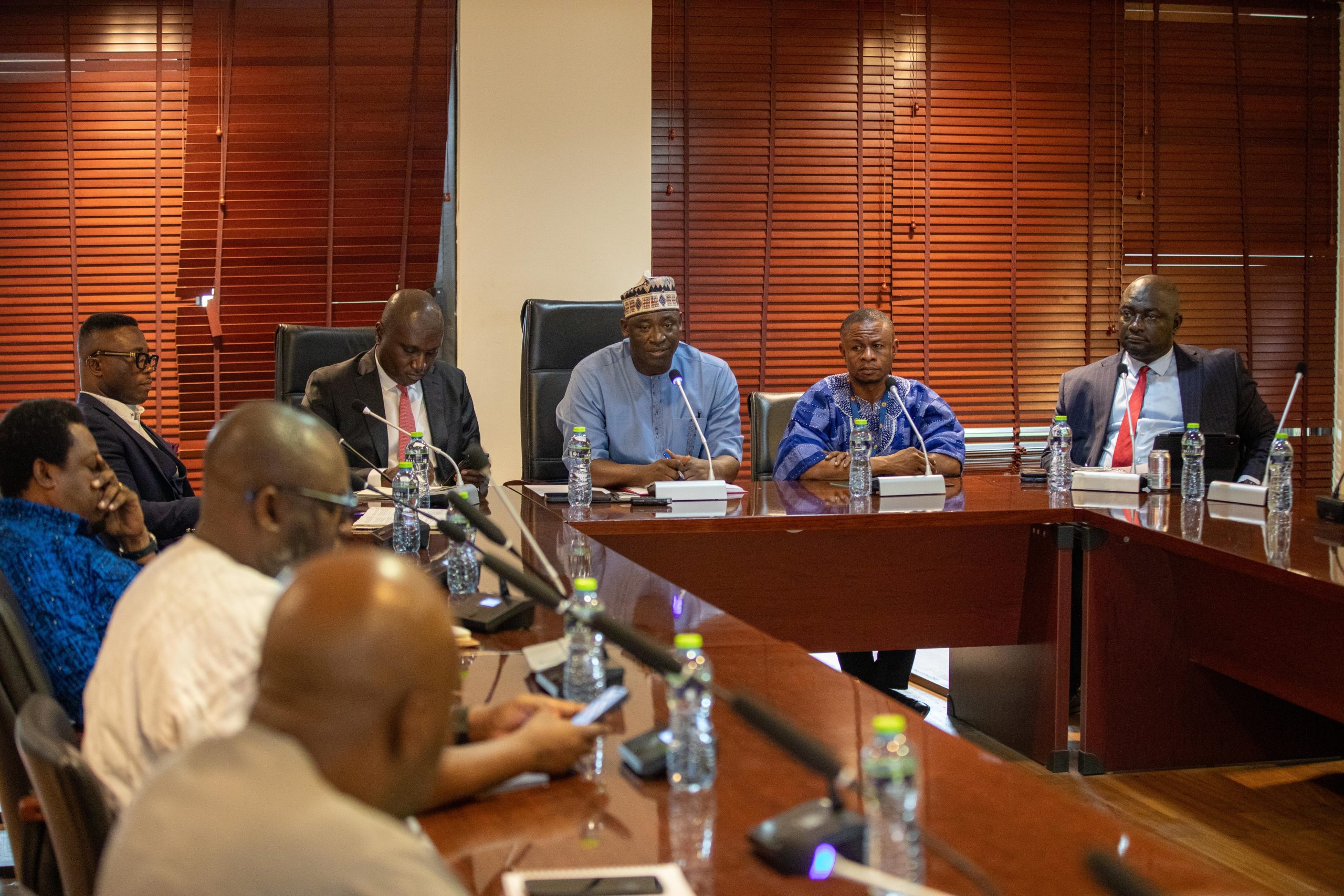
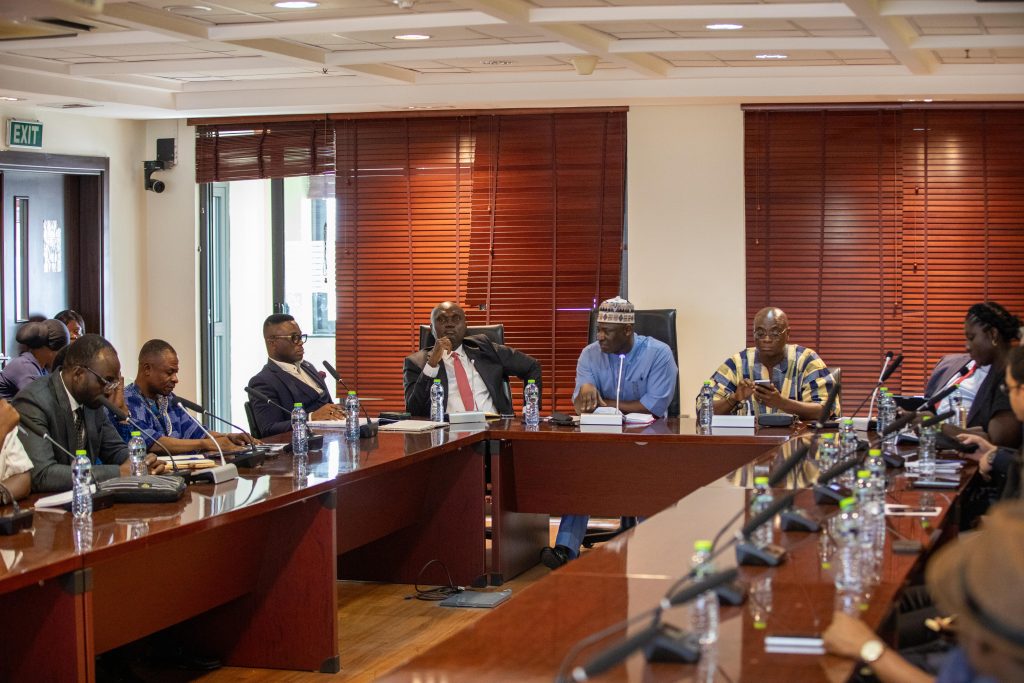
The Parliamentary Select Committee on Information and Communications has held a constructive engagement with the Ghana Chamber of Telecommunications and its leadership, reaffirming a shared commitment to strengthening Ghana’s digital ecosystem.
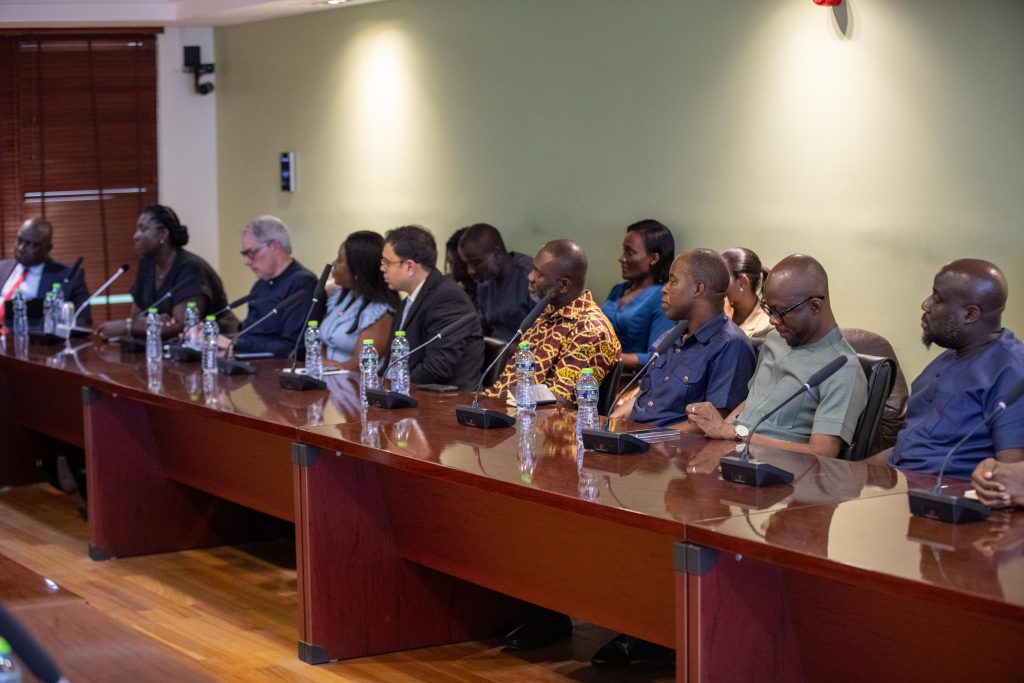
The meeting, which brought together Members of Parliament on the Committee and Chief executives and senior executives from key industry players, including ATC Ghana, C-Squared, Helios Towers Ghana, Huawei Technologies Ghana, Ericsson Ghana, Vobiss Ghana, MTN Ghana and Telecel Ghana, focused on improving quality of service, expanding connectivity, addressing fibre optic cable cuts, and ensuring affordable access to digital services across the country.
Collaboration for Improved Quality of Service
Chairman of the Committee Hon. Bandim Lamangin Abed-Nego, along with the Deputy Ranking member Hon. Owiredu Asuako Charles, welcomed the Chamber and underscored Parliament’s interest in long-term sustainability, affordability and inclusivity within Ghana’s digital economy.
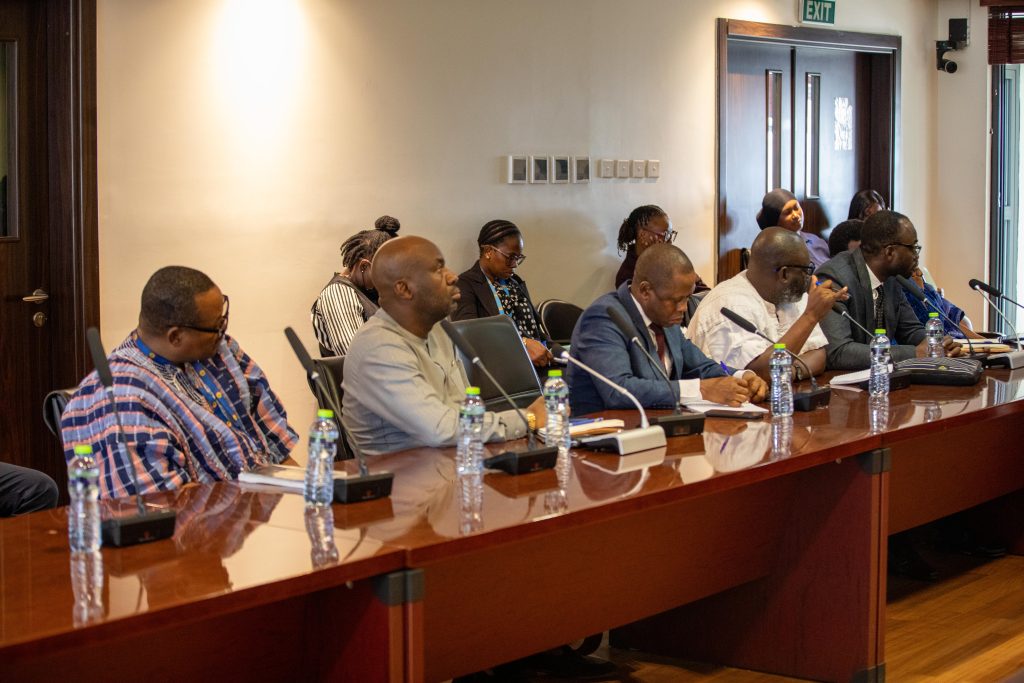
Members of the Committee raised concerns about network quality in some areas, rising data costs, and connectivity challenges in rural communities. They also sought updates on measures being taken to address fibre optic cable cuts, which continue to disrupt service delivery.
Responding, representatives of the Chamber (led by its CEO Sylvia Owusu-Ankomah) acknowledged the concerns and reaffirmed the industry’s commitment to improving service quality. They highlighted ongoing investments in network expansion, including significant increases in the number of new sites being deployed to address congestion and peri-urban growth.
Industry leaders noted that fibre cuts remain a major challenge, with operators experiencing multiple incidents (about 20) daily, leading to service interruptions and high repair costs. They appealed for stronger collaboration with government and road agencies to ensure dedicated fibre ducts are incorporated into new road projects to protect critical infrastructure.
The Committee assured the Chamber of its readiness to work with relevant ministries and agencies to help address the issue sustainably.
Focus on Rural Telephony and Affordability
The engagement also touched on rural telephony and data pricing. Committee members expressed concern about the cost of data bundles and disparities between urban and rural connectivity.
The Chamber explained that rural telephony pricing is regulated and that operators pass through approved rates without mark-ups. They further noted that several external cost drivers, including import duties, regulatory fees and infrastructure investments, contribute to overall pricing structures.
Both sides agreed on the need for a deeper, data-driven discussion on affordability, with the Chamber indicating its readiness to share detailed industry data with the Committee to support informed policymaking.
Legislative Engagement and Policy Input
The Committee highlighted upcoming legislative reviews within the ICT sector and encouraged the Chamber to actively participate in consultations and public engagements once bills are formally laid before Parliament.
The Chamber welcomed the opportunity and pledged to submit inputs and technical expertise to support the legislative process. It also reaffirmed its openness to structured, regular engagements with the Committee to ensure ongoing collaboration.
Next Steps and Agreed Actions
At the close of the meeting, both parties agreed on the following next steps:
- A follow-up, more extensive working session will be scheduled to allow for a deeper technical engagement.
- The Committee will engage relevant ministries and agencies on the protection of fibre infrastructure, particularly along major road corridors.
- Industry players will continue expanding network coverage, including accelerated site deployments to improve service quality.
The meeting ended on a positive note, with both Parliament and industry stakeholders reaffirming their shared responsibility to ensure that Ghana’s digital transformation is inclusive, affordable and sustainable.
The engagement marks a renewed phase of cooperation between policymakers and the telecommunications industry, aimed at delivering improved connectivity and digital opportunities for all Ghanaians.