
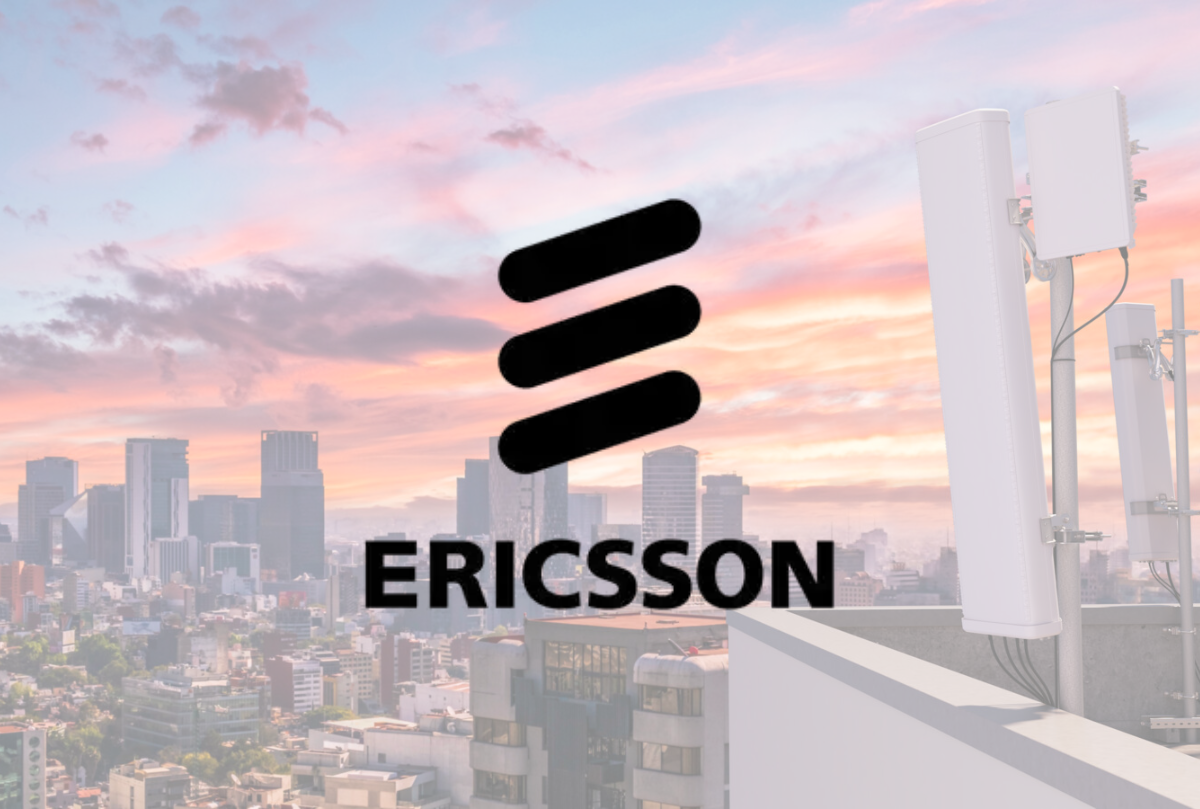
As Ericsson celebrates its 150th anniversary, the Swedish telecom giant remains one of the world’s leading suppliers of 5G network equipment, second only to Huawei globally. Founded in Stockholm in 1876 by Lars Magnus Ericsson, the company has become a cornerstone of Sweden’s technology sector.
Betting on AI and the Future of Connectivity
Ericsson believes the next wave of growth will come from AI-powered connected devices, including smart glasses, robots, industrial machines, and autonomous systems. According to CTO Erik Ekudden, 5G networks could serve as an “intelligent fabric” linking AI agents and enabling highly automated, personalized network services.
The company argues that these capabilities can be achieved with advanced 5G technologies, without waiting for 6G deployment.
5G Success Hasn’t Delivered Expected Returns
Although 5G adoption has grown rapidly, reaching about 3 billion connections worldwide, telecom operators have struggled to generate significant new revenues from the technology. Consumers largely pay similar rates for 5G as they did for 4G, while operators have faced substantial infrastructure costs.
Many anticipated applications—such as self-driving vehicles and remote robotic surgery—have yet to achieve widespread commercial adoption, delaying the business benefits Ericsson and its customers expected.
Market Slowdown Hits Ericsson
The slowdown in telecom spending has affected Ericsson’s financial performance. Annual revenue declined from SEK 271.5 billion ($28.6 billion) in 2022 to SEK 236.7 billion ($25 billion) in 2025 as operators reduced network investments.
To protect profitability, Ericsson cut its workforce from over 105,000 employees in 2022 to fewer than 89,000 by 2025. However, it maintained strong investment in research and development, increasing R&D spending to nearly SEK 49 billion annually to remain competitive in future network technologies.
Huawei Remains a Formidable Rival
Despite U.S. sanctions and restrictions in several Western markets, Huawei continues to be Ericsson’s biggest competitor. Ericsson executives acknowledge Huawei’s strong product portfolio, competitive pricing, and dominance in China’s vast domestic market.
While some countries have banned Huawei from critical telecom infrastructure, others continue to allow its participation, ensuring intense competition in the global telecom equipment market.
Looking Ahead
Ericsson enters its 150th year in a stronger technological position than a decade ago, having refocused on its core networking business and invested heavily in 5G innovation. However, its future depends on whether telecom operators can successfully monetize advanced 5G services and whether AI-driven applications create the demand for next-generation connectivity that Ericsson envisions.
The company sees AI, automation, and future 6G developments as key opportunities, but the challenge remains turning technological advances into sustainable revenue growth for both Ericsson and the telecom industry.
Source : www.lightreading.com