
The Ghana Chamber of Telecommunications, in partnership with the Ghana Education Service (GES), has introduced the Signal To Coding Initiative, a rebranded digital skills programme aimed at equipping young learners with future-ready technology and STEM skills.
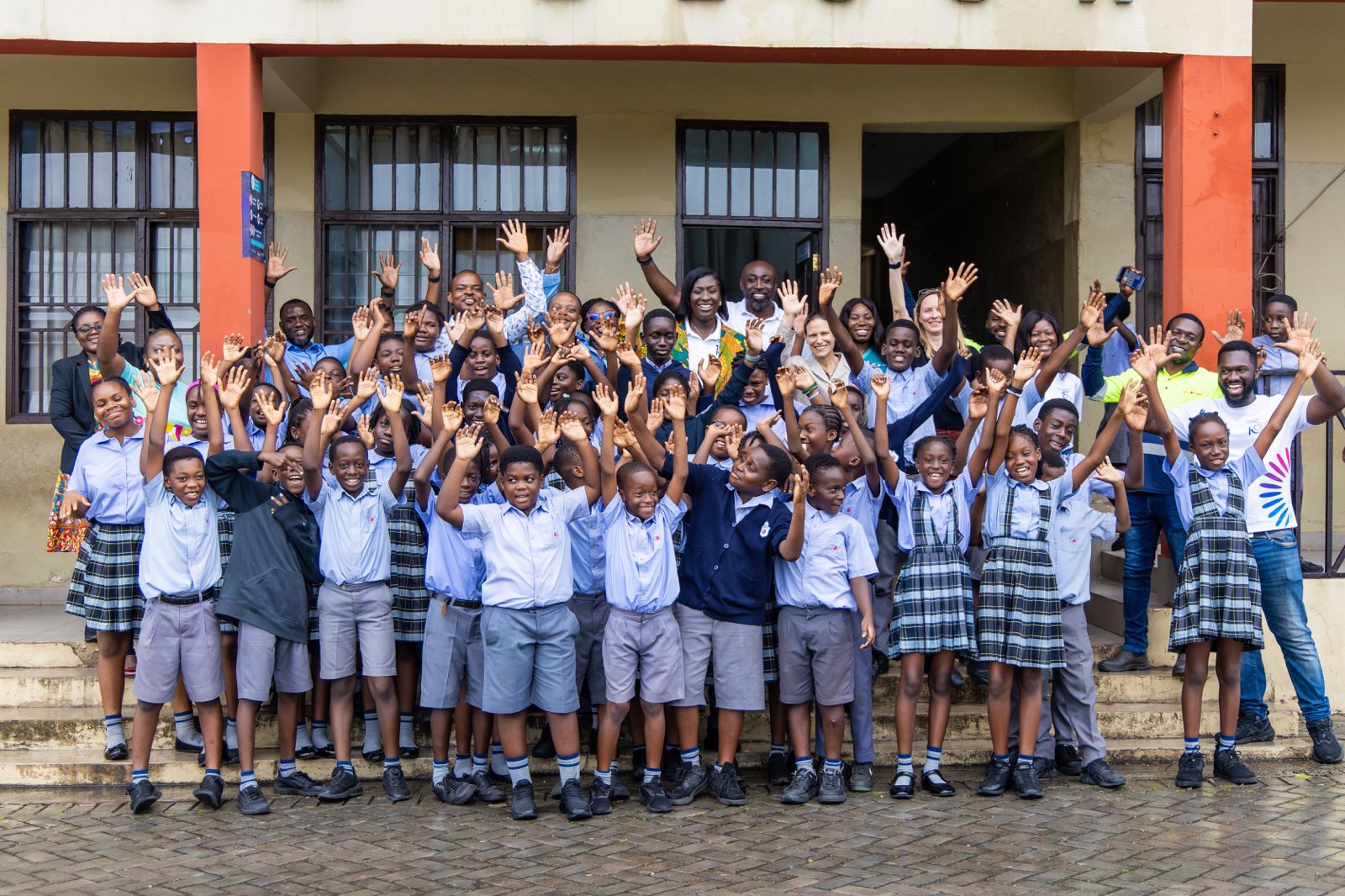
The initiative, which evolved from the Chamber’s annual Coding Caravan programme, was introduced through an interactive robotics learning workshop for about 100 upper primary and junior high school pupils of Rosharon Montessori School in Tema Community 12.
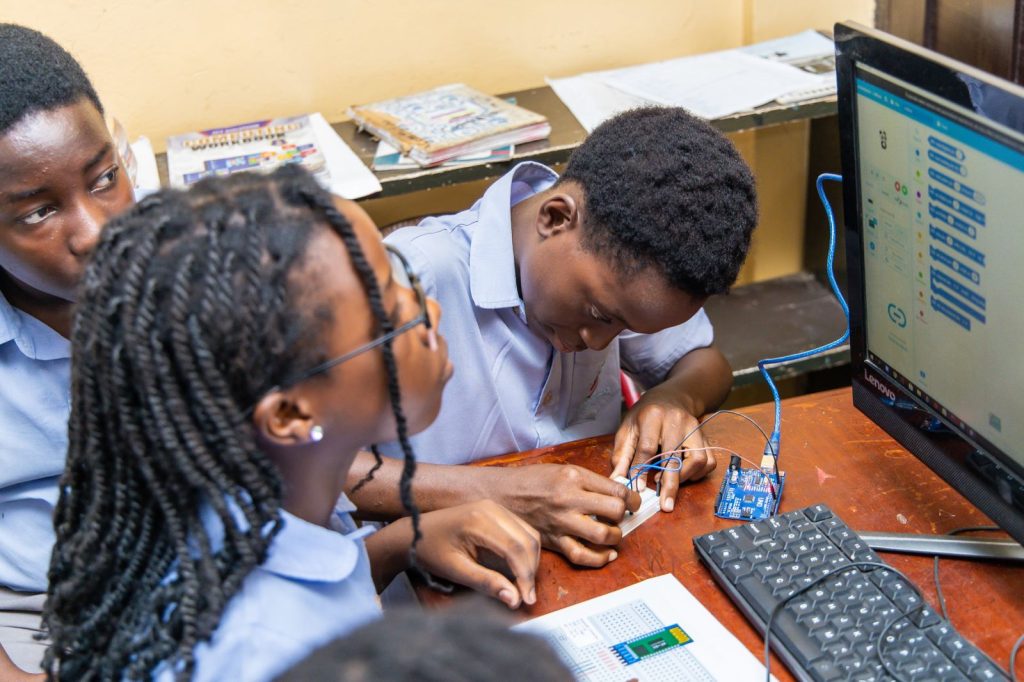
The workshop, powered by the Ghana Chamber of Telecommunications and Helios Towers Ghana and facilitated by the Mingo Foundation, gave pupils hands-on experience in designing, building, and programming robots while developing critical thinking, creativity, teamwork, and problem-solving skills.
Led by Mr Enoch Abban, a facilitator from the Mingo Foundation, the session focused on practical engagement, allowing students to actively design, build, and activate their own robots rather than learning only through theory.
Ms Sylvia Owusu-Ankomah, Chief Executive Officer of the Ghana Chamber of Telecommunications, said the initiative formed part of activities marking the Chamber’s 15th anniversary and reflected its commitment to bridging Ghana’s digital skills gap.
“We believe the first point of engagement is children, helping them understand from signal to coding how telecommunications works and how they can leverage technology to build their coding and robotics capabilities,” she said.
Ms Owusu-Ankomah noted that the Chamber had, over the past five years, used the Coding Caravan programme to introduce thousands of students in underserved and hard-to-reach communities to foundational digital skills, including coding, animation, Internet of Things (IoT), and 3D design.
She said the Signal To Coding Initiative would build on that foundation by expanding opportunities for young people to explore emerging technologies and prepare for future careers in science and technology.
Mrs Dinah Nortey, Executive Director of the Mingo Foundation, said robotics education enabled students to move beyond theory by giving them practical exposure to technology.
“Once they see the robot moving, they are able to build it themselves, programme it, and see it actually do what they intended,” she said.
Mr Kweku Frempong, Chief Executive Officer of Helios Towers Ghana, urged the students to take Information and Communication Technology (ICT) education seriously, noting that technology and artificial intelligence were transforming virtually every sector of the economy.
“There is no future without digitisation,” he said.
Ms Bernice Ofori, Tema Metropolitan Director of Education, said the Ghana Education Service was prioritising STEM education and the establishment of more STEM schools to prepare young people for the demands of a technology-driven world.
She noted that exposing pupils to coding and robotics at an early age would help build a generation capable of driving innovation and national development.
Mr Justice Ackah, Head of Rosharon Montessori School, welcomed the initiative and encouraged the pupils to take advantage of the opportunity.
He said robotics education was not only about learning technology but also about developing the skills needed to shape the future.