NCA Engages Ericsson on Innovation, 5G, and Managed Services Licensing

images

On May 15, 2025, the National Communications Authority (NCA) welcomed a six-member delegation from Ericsson to the NCA Tower in Accra to explore new areas of collaboration in telecommunications innovation.

Welcoming the team, Rev. Ing. Edmund Yirenkyi Fianko, Acting Director General of the NCA, reaffirmed the Authority’s dedication to stakeholder engagement. He announced plans for a public consultation on the Managed Services Licence, noting that Ericsson’s input would be vital to ensuring inclusivity and regulatory stability in this evolving space.

Majda Lahlou Kassi, Vice President and Head of Customer Unit for West and Southern Africa at Ericsson, commended Ghana’s regulatory leadership and expressed the company’s ongoing support for digital empowerment initiatives, including the “One Million Coders” program launched by the Ministry of Communications, Digital Technology and Innovation.

She also emphasized the transformative potential of 5G, stating:

“5G is not just about faster internet — it’s a platform for entirely new use cases that have not yet entered the market. We are eager to support Ghana’s journey in deploying 5G in a way that balances innovation, stability, and local interest.”

The visiting Ericsson team included Fabrizio Cara, Head of Cloud Services; Richard Kweku Arthur, Country Manager; Badr Ndor, Head of Networks; and Rostand Njomgang, Director at Ericsson.

Source: National Communications Authority (NCA)

Telecel Group Discusses Growth Strategy with NCA, Eyes Further Investment in Ghana

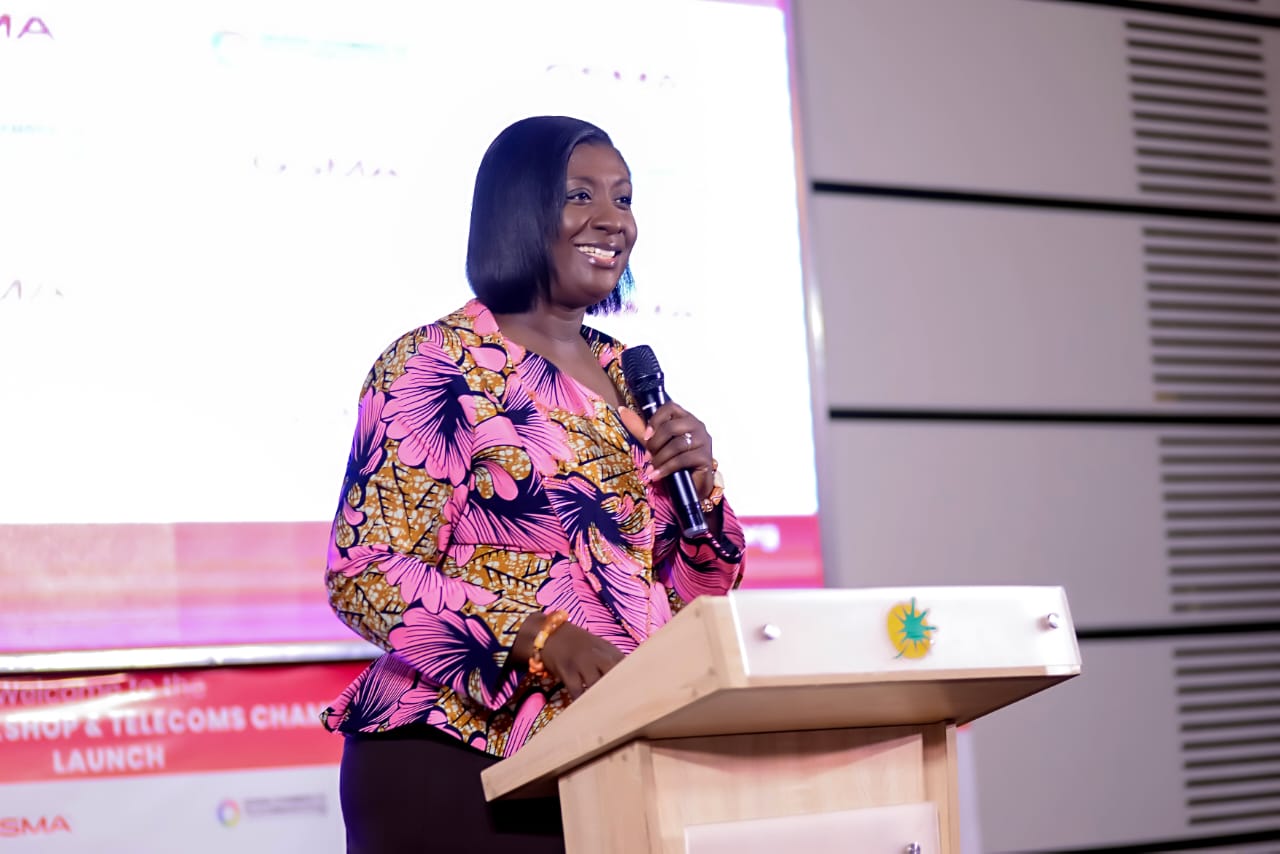
Ing. Mrs. Patricia Obo-Nai

The National Communications Authority (NCA) has hosted a high-level delegation from Telecel Group, led by CEO and Co-Founder Mr. Moh Damush, in a meeting focused on deepening collaboration and advancing Ghana’s telecommunications landscape.

The engagement, held at the NCA Tower in Accra on May 16, 2025, underscores Telecel’s renewed commitment to long-term investment in Ghana. NCA’s Acting Director General, Rev. Ing. Edmund Yirenkyi Fianko, reiterated the Authority’s support for a competitive and fair telecom environment, assuring equitable spectrum management for all Mobile Network Operators (MNOs).

“Our goal is not to frustrate non-SMP operators but to create a competitive market space for all MNOs in the country,” Rev. Fianko said, noting progress in Telecel’s market position.

Mr. Damush highlighted the Group’s 21% growth as a signal of strong momentum in Ghana, adding that continued macroeconomic stability would further enhance the telecom sector. He reaffirmed Telecel’s intention to inject additional capital and called for expanded spectrum allocation to improve service quality.

“We are committed to creating a remarkable success story in Ghana,” Damush remarked, also praising Ghana’s rich pool of telecom talent.

The meeting brought together key Telecel executives including Patricia Obo-Nai, CEO of Telecel Ghana; Victor Badin, CFO; and Augusta Andrews, Director of Legal and External Affairs, among others.

Source: National Communications Authority (NCA)

Minister Samuel George Champions Digital Skills with $50M Innovation Fund

20250409_222506

Ghana’s Minister for Communication, Digital Technology, and Innovations, Samuel Nartey George, has unveiled plans to channel $50 million from the Fintech Development Fund into startups and innovation-driven businesses, aiming to build a sustainable innovation ecosystem backed by an Act of Parliament.

Speaking during a meeting with a delegation from the African Council of Graduates, the Minister emphasized the Ministry’s role as a facilitator—“the wind in the sails” of government—empowering other ministries through technology and digital support. Examples include leveraging meteorological data for agriculture and collaborating across sectors to scale initiatives.

Key focus areas include:

  • Digital skills development through initiatives like One Million Coders
  • Support for innovation and entrepreneurship, particularly in agriculture and agro-processing
  • Adoption of drone and data analytics technologies to boost efficiency
  • Startup support through incubators and accelerators

The African Council of Graduates proposed a formal MoU with the Ministry, focusing on youth empowerment via digital training and innovation. Discussions also explored equipping students before graduation with digital competencies to reduce unemployment.

Minister George reiterated the need for cross-sector collaboration, highlighting digitalization as a catalyst for economic growth, education, and improved quality of life in Ghana.

Source: TechAfrica News
Via: Extensia.Tech

AI to Contribute $1.5 Trillion to Africa’s Economy by 2030

Rural Telephony

Artificial Intelligence (AI) could add up to US$1.5 trillion to Africa’s economy by 2030—if the continent captures just 10% of the global AI market, according to the Africa AI Skills Readiness Revealed report by German software giant SAP.

Launched in Johannesburg and based on research in Kenya, Nigeria, and South Africa, the report projects the creation of 230 million new digital jobs in Africa by 2030. It also estimates that over 650 million Africans will need digital skills training or retraining in the coming years.

Africa’s digital economy is expected to grow from 5.2% of GDP in 2025 to 8.5% by 2050.

SAP’s latest study—developed in partnership with Vanson Bourne—surveyed 100 respondents across the public and private sectors. It reveals a critical shortage of AI talent across African businesses, with nine out of ten organisations citing a gap in AI expertise.

To address this, two-thirds of companies have adopted upskilling initiatives focused on AI specialisation. SAP, for its part, has committed to supporting universities across Africa to help train the next generation of AI professionals.

The continent’s AI market is projected to reach $4.92 billion by 2025, representing 2.5% of the global AI sector, with 2,400+ AI-focused companies already active—726 in South Africa, 456 in Nigeria, and 204 in Kenya.

Source: IT Web
Via: Extensia.Tech

GSMA Warns: High Spectrum Costs Threaten Mobile Network Performance

Mobile operators worldwide are struggling with soaring spectrum costs, limiting their ability to invest in network upgrades and expansion, according to a new GSMA report. The findings highlight how inflated spectrum pricing leads to slower speeds, weaker coverage, and hindered digital growth.

Key Findings:

  • Plummeting Revenue: Operators face a 96% drop in earnings per gigabyte since 2014, while spectrum costs remain high.
  • Coverage & Speed Impact: A 10% increase in spectrum costs relative to revenue can reduce 4G/5G coverage by 6% and slow download speeds by 8%.
  • Policy Flaws: Artificial scarcity, high reserve prices, and restrictive license terms inflate costs—consuming up to 25% of operator revenues in some markets.

GSMA’s Call to Action:

With 1,000 spectrum licenses expiring globally (2025–2030), the GSMA urges regulators to:

  • Set market-aligned prices to boost investment.
  • Avoid artificial scarcity and excessive fees.
  • Prioritize affordable access to accelerate digital inclusion.

Vivek Badrinath, GSMA Director General:
“High spectrum costs choke investment when reliable connectivity is critical. Governments must price spectrum responsibly to unlock better networks and services.”

The report underscores that 10% more spectrum availability improves coverage by 2% and speeds by 4%—emphasizing the need for policy reform.

Source: TelecomTechNews


Why It Matters: With 5G-A and 6G on the horizon, balanced spectrum pricing is vital to bridge digital divides and sustain mobile innovation.

Edited for clarity and brevity | Original data sourced from GSMA.

MTN Uganda Pays Record $13.3M to Advance Digital Inclusion

MTN Uganda has made its largest-ever contribution to the Uganda Communications Commission’s Universal Service and Access Fund (UCUSAF), committing $13.3 million (UGX 50.55 billion) to expand digital connectivity in underserved communities nationwide.

Announced by CEO Sylvia Mulinge during a stakeholder meeting at the UCC headquarters in Kampala, the contribution highlights MTN’s growing investment in bridging Uganda’s digital divide and supporting national ICT development. The amount reflects a steady year-on-year increase, rising from $11.59 million in 2024 and $9.81 million in 2023.

“We believe that everyone deserves the benefits of a modern, connected life,” Mulinge said. “This contribution is part of our broader strategy to transform Uganda into a fully digital economy—not only through infrastructure but also by enabling affordability, access, and digital skills.”

Under Ugandan law, telecom operators must contribute 2% of their annual gross revenues to UCUSAF, which funds projects in remote and marginalized regions. Nyombi Thembo, Executive Director of the UCC, commended MTN for meeting its obligation consistently and with genuine commitment.

The announcement comes amid concerns about Uganda’s relatively low smartphone penetration, which stood at 35.6% of its 51 million mobile subscribers by the end of 2024—far below Kenya’s 72% and South Africa’s 90%. In response, MTN Uganda has introduced initiatives such as the M-Kabode Supa smartphone financing program, helping to boost smartphone use on its network from 39.1% to 44.9% over the past year.

MTN is also investing in digital literacy, having launched 63 ICT labs in schools and operating the MTN Internet Bus to provide digital training in rural communities.

Source: IT Web
Culled by: Extensia.tech

4o

MTN, GCB, SMEGA Launch SME Acceleration Programme to Boost Business Growth in Ghana

GCB

MTN Ghana, Ghana Commercial Bank (GCB), and the Small and Medium-sized Enterprises Ghana Awards (SMEGA) have officially launched the SME Acceleration Programme, a joint initiative aimed at enhancing the capacity and growth of small and medium-sized enterprises (SMEs) in Ghana.

Unveiled in Accra on May 14, the programme seeks to promote business formalisation, increase market access, and strengthen resilience across key economic sectors. Running from May to November, the programme will provide targeted training in product packaging, customer service, branding, and value addition.

“We have over a hundred SMEs attending today’s edition,” said Mohammed Abubakari-Sidick, Senior Manager for SME at MTN Ghana. “They will be taken through the necessary training to foster development in their respective sectors.” He also noted that SMEs unable to attend in person can still benefit through the MTN SME Fair and Market Stall, offering them greater market exposure.

Emmanuel Brahuah, Partnership and Schemes Officer at GCB, highlighted the bank’s role in providing a robust package of financial support, including flexible loans, working capital, and tailored SME accounts. He emphasized GCB’s expanded focus on digital banking and financial literacy to ensure greater accessibility and efficiency for SME clients.

Kwesi Ofori Jnr., CEO of SMEGA, commended MTN for spearheading the initiative and affirmed SMEGA’s commitment to ensuring maximum SME participation across the country.

The SME Acceleration Programme represents a significant step forward in empowering Ghana’s SMEs—promoting sustainability, innovation, and economic inclusion.

Source: B&FT Online

Bayobab Deploys New Fiber Optic Route Linking Uganda and Tanzania

Fibre

Kampala, Uganda – Bayobab, the digital infrastructure arm of MTN Group, has launched a new 1,000+ km fiber optic route connecting Kenya and Uganda, with plans to expand into Tanzania. The deployment strengthens East Africa’s digital backbone, supporting hyperscalers, enterprises, and rural connectivity.

Key Highlights:

  • New Route: The 260 km Ugandan segment runs along the rail corridor (Kampala–Tororo–Malaba), linking major data centers in Kenya and Uganda.
  • Regional Expansion: Part of Bayobab’s “East-to-West Fibre” initiative, targeting 135,000 km of proprietary fiber across Africa by 2025.
  • Investment: The $13 million project enhances digital resilience and creates alternative data traffic routes.

Quote:
“This isn’t just fiber—it’s a catalyst for East Africa’s digital transformation,” said Sylvia Anampiu, Bayobab Kenya MD.

The rollout aligns with MTN’s strategy to boost cloud services and attract tech investments in the region.

Source: Extensia.tech, with data from Agency EcoFin

Global Africa Business Initiative Rallies Leaders to Accelerate Digital Growth in Africa

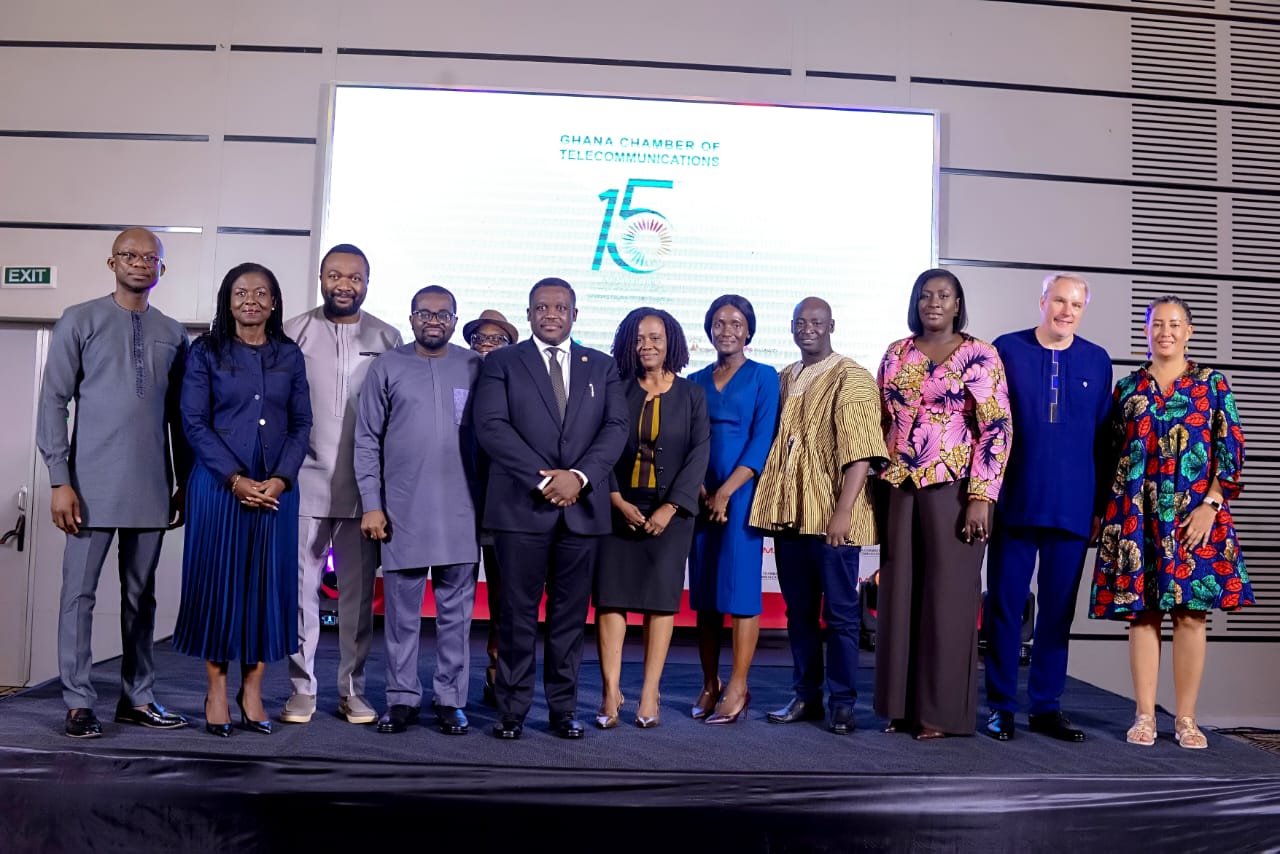
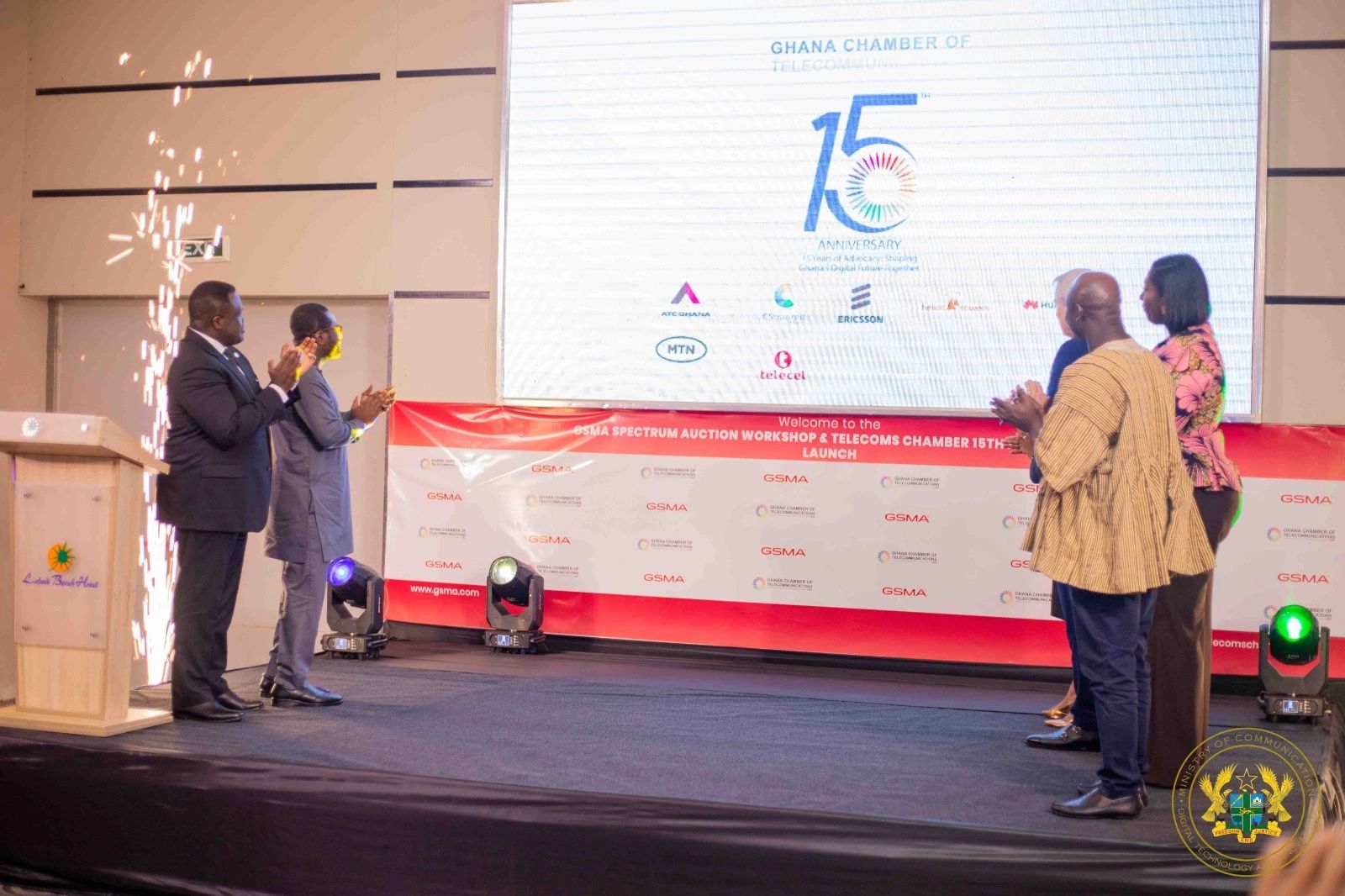
Ghana Chamber of Telecommunications

The Global Africa Business Initiative (GABI) convened top public and private sector leaders at the Africa CEO Forum 2025 to fast-track Africa’s digital transformation. The high-level GABI Bridge side event was held under the theme “Connect. Empower. Prosper: The Big Push for Digital Africa.”

The session brought together decision-makers from government, finance, industry, and technology to explore how the continent can build inclusive digital infrastructure, nurture innovation ecosystems, and unlock new opportunities within the digital economy.

In her opening remarks, Sanda Ojiambo, Assistant Secretary-General and Executive Director of the United Nations Global Compact, emphasized the urgency of collective action:

“Africa’s digital future must be inclusive, sustainable, and African-led. This is not just a technological imperative – it’s an economic and social necessity.”

Highlights from the GABI Bridge Session:

  • Urgent Push for Infrastructure Investment:
    Stakeholders stressed the importance of coordinated public-private financing models to expand connectivity, especially in underserved rural areas.
  • Collaboration Across Sectors:
    Speakers underscored the role of strong public-private partnerships in enhancing regulatory frameworks and promoting sustainable digital transformation.
  • Empowering Local Innovation:
    The session called for enabling environments for startups through regulatory reforms, access to funding, and support for Africa’s homegrown tech talent.
  • Boosting Intra-African Trade via Digital Platforms:
    Harmonizing digital regulations is seen as key to unlocking the benefits of the African Continental Free Trade Area (AfCFTA), particularly in e-commerce and digital transactions.
  • Preparing Youth for the Digital Age:
    Educational systems must be modernized through curriculum upgrades, teacher training, and tech-industry collaboration to equip youth with future-ready skills.

The GABI Bridge concluded with a rallying call to turn ideas into action—transforming commitments into investment, partnerships into platforms, and ambition into measurable progress for Africa’s digital future.

Source: Extensia.tech | Original source: APO

4 persons arrested over killing of mobile money agent in Aflao

20250513_183158

Four suspects, one Nigerian and four Ghanaians have been arrested by the Ghana Police Service for allegedly shooting and killing a mobile money vendor in Aflao on April 28, 2025.

The arrest was made on May 10, 2025 between the hours of 1200 and 0200, by the Volta Regional Police Intelligence Department (RPID), in a joint intelligence-led operation with the Police SWAT Unit, Operation Motherland Taskforce, and ‘ACTION NOW’, a Community Watch Committee in Aflao.

These were contained in a press release published by the Ghana Police Service. According to the Service, the suspects are Michael Sewornu, aged 34, Korku Agboada, aged 43, Atsu Agbagla, aged 36 and Utsuku Onyeso, aged 22, a Nigerian. The 4 are currently in Police custody assisting in investigation.

The arrest comes almost 2 weeks from the day (April 28, 2025), when about five unidentified robbers attacked and shot Christopher Ahordo, a mobile money vendor, at Gbagblakope, near the Diamond Cement factory in Aflao, at around 6:30 pm. The deceased popularly known as Colombo, died at the scene, while the assailants took away his bag believed to contain money.

The Ghana Police Service used the press release to entreate the public to be security-conscious and collaborate with them by providing credible and timely information about criminals.

Let’s protect MoMo agents from senseless attacks – EMIs to Mahama, IGP, others

The Electronic Money Issuers (EMIs) Chamber of Ghana has strongly condemned the recent spate of violent attacks against mobile money agents, calling for urgent intervention to protect their lives and livelihoods. The Chamber extended its condolences to the families of agents who have been killed in these incidents, emphasizing that their role in Ghana’s financial ecosystem is invaluable and must be safeguarded.

Expressing deep concern over the escalating attacks, the Chamber has called on the President, the Interior and Finance Ministers, the Inspector General of Police (IGP), and the Governor of the Bank of Ghana to take immediate action. They urged law enforcement agencies to intensify efforts in apprehending the perpetrators and ensuring justice for the victims.

As part of its response, the EMIs Chamber is engaging with the leadership of the Ghana Police Service to explore effective security solutions. Additionally, discussions will be held with the Bank of Ghana to strengthen the Agent Registry and implement security measures to enhance the safety of mobile money agents.

The Chamber also debunked the misconception that mobile money agents carry large amounts of cash, warning that such misinformation makes them easy targets for criminals. They stressed that mobile money transactions are predominantly digital, with minimal cash handling.

To mitigate risks, the Chamber advised agents to adopt precautionary measures, including closing their shops early, avoiding carrying large sums of cash, installing CCTV cameras and alarm systems, and maintaining close contact with local police stations.

The Chamber reaffirmed its commitment to working with the government, security agencies, and stakeholders to address these security threats. It urged swift and decisive action to prevent further loss of life and ensure the safety of mobile money agents, who play a critical role in Ghana’s digital financial transformation.

Source: EMIs Chamber of Ghana
Source of cover image: Ghana Police Service