
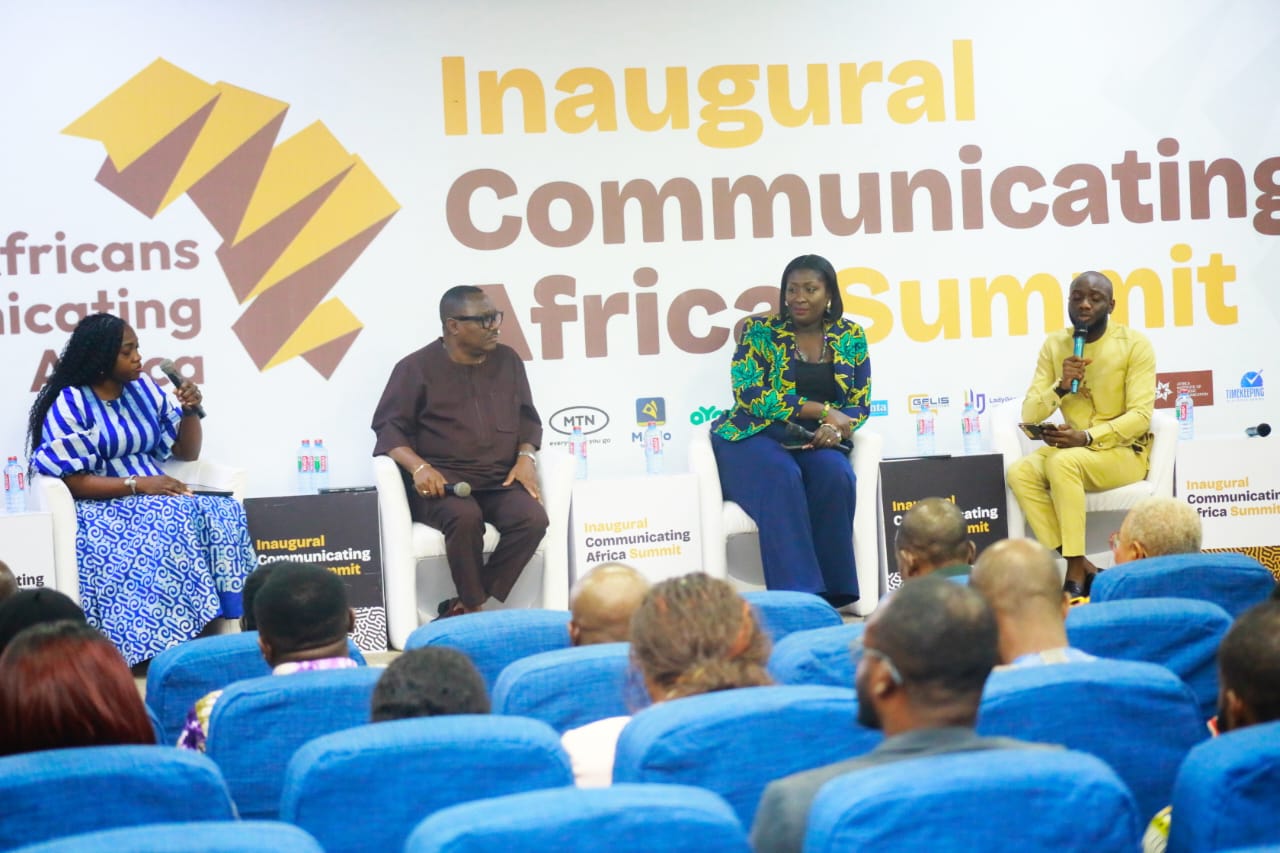
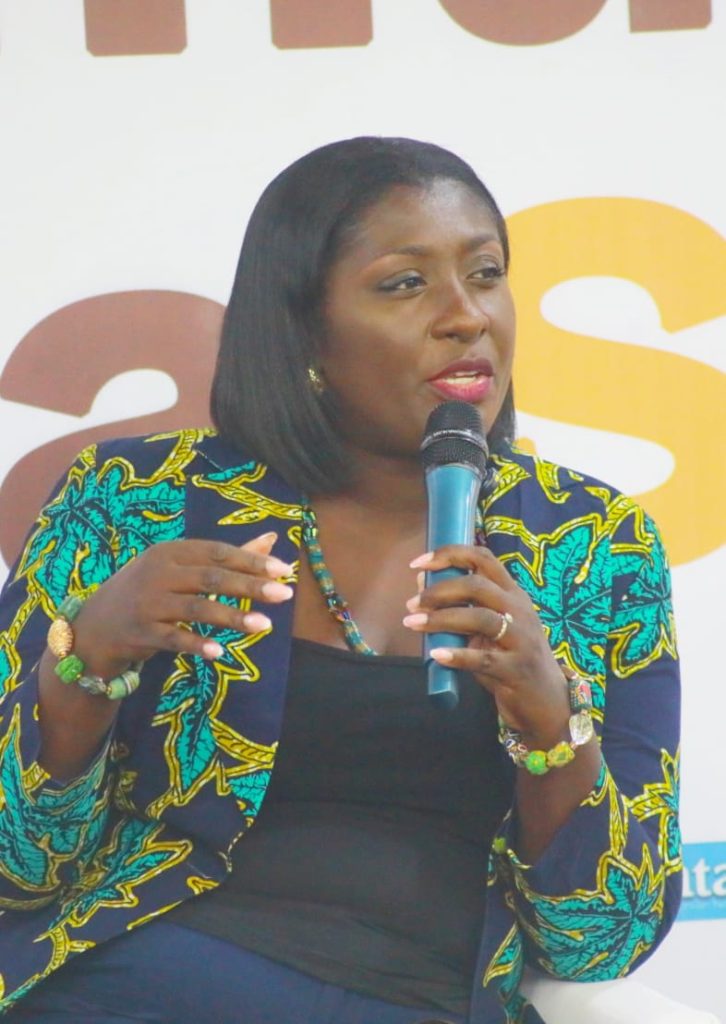
(Ms. Sylvia Owusu-Ankomah. CEO, Ghana Chamber of Telecommunications)
The Chief Executive Officer of the Ghana Chamber of Telecommunications, Sylvia Owusu-Ankomah, has called on governments, regulators, industry players and development stakeholders across the continent to prioritise telecommunications infrastructure as a critical driver of Africa’s transformation and its ability to tell its own story globally.
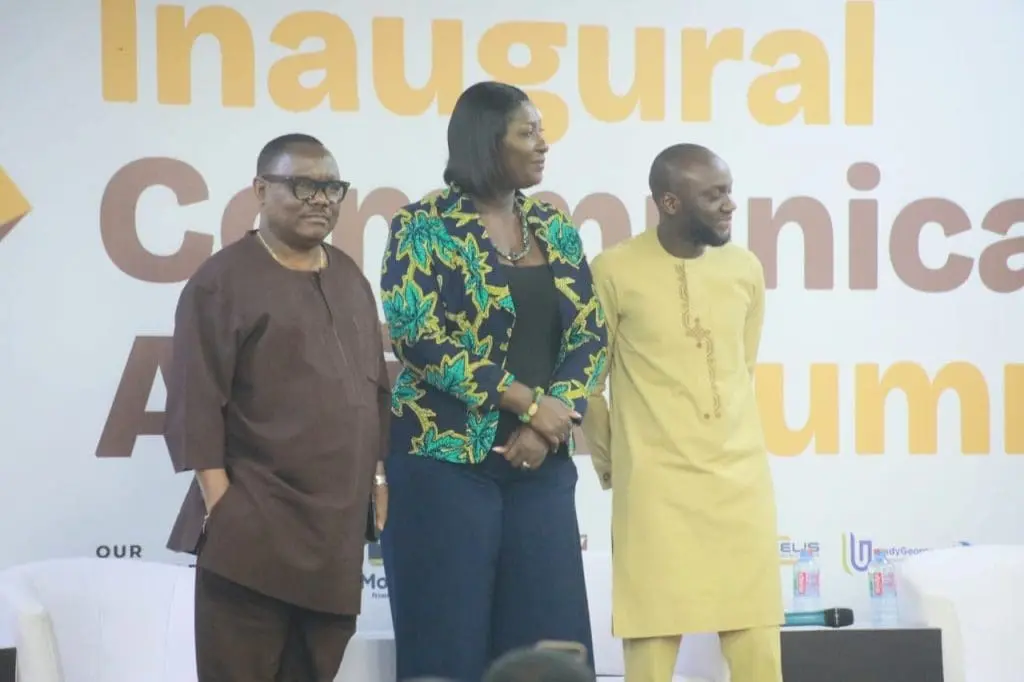
Speaking during a panel discussion themed “African CEOs Communicating Africa,” Ms. Owusu-Ankomah argued that Africa’s competitiveness and narrative ownership would increasingly depend on the strength of its digital infrastructure.
“Digital infrastructure is now as critical as roads, ports, or electricity. Connectivity powers commerce, education, healthcare, financial inclusion, governance, media, and innovation,” she stated. According to her, without strong telecommunications infrastructure, Africa would struggle to fully participate in the global digital economy or project its voice effectively on the international stage.
“The telecommunications industry has essentially become the foundation upon which Africa’s future competitiveness will be built,” she added. The Telecoms Chamber CEO, who has spent more than 15 years in the telecommunications sector and previously worked in the FMCG industry, also challenged long-held global perceptions about Africa being perpetually “emerging.”
“One of the most common perceptions I still encounter is that Africa is always ‘emerging’ rather than leading. Yet when you look at mobile money, digital innovation, fintech adoption, and even the speed of consumer adaptation to technology, Africa is often ahead of many developed markets,” she said.
On the growing influence of artificial intelligence and emerging technologies, Ms. Owusu-Ankomah described AI as both a major opportunity and a potential risk for the continent. “It also comes with risks around misinformation, data ownership, digital inequality, and the possibility of African perspectives being excluded from the technologies shaping the future. The key question is whether Africa will simply consume AI or actively help shape it,” she noted.
She further stressed the importance of stronger collaboration between policymakers, regulators, academia, innovators and industry to ensure Africa remains both a creator and owner within the digital economy. “We need stronger investment in local digital infrastructure, local talent, African-owned platforms, and digital literacy. Africa must participate not just as a market, but as a creator and owner within the digital economy,” she stated.
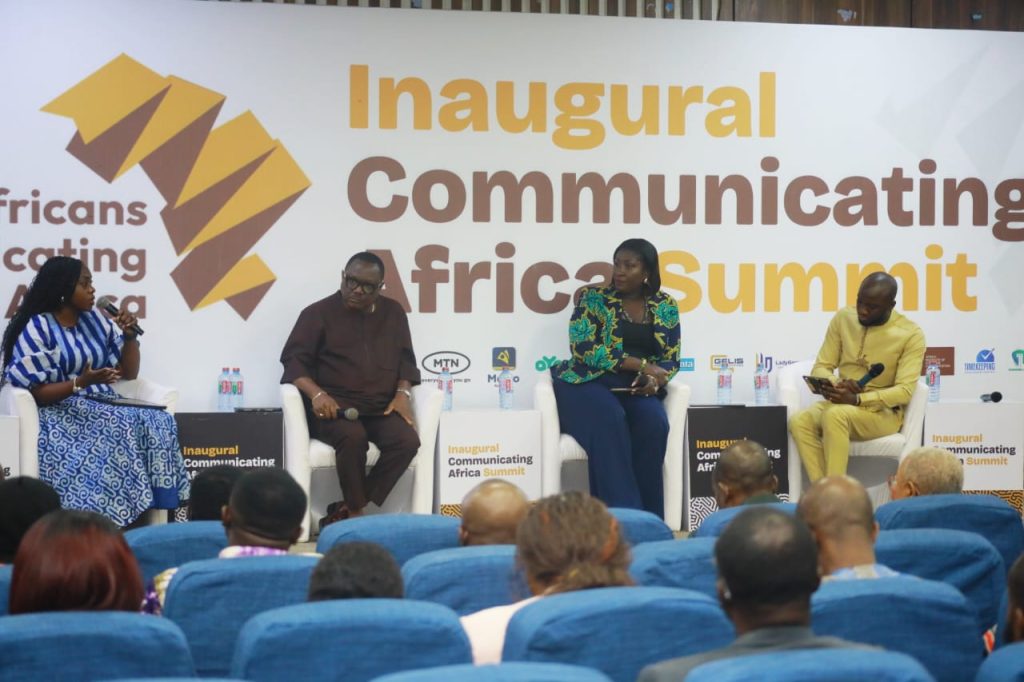
Ms. Owusu-Ankomah also praised the organisers of the summit (Georgina Asare Fiagbenu, Nii Commey and team) for creating an important platform focused on reclaiming and amplifying authentic African narratives globally.
The inaugural Africans Communicating Africa Summit brought together corporate leaders, media professionals, policymakers and creatives to discuss how Africa can better shape its global image through business, technology, storytelling and strategic communication. The event featured panel discussions on innovation, leadership, digital transformation and the role of African institutions in influencing global perceptions about the continent.