
By Vlad Savov, Clara Hernanz Lizarraga, and Vinicy Chan
Takeaways by Bloomberg AIHide
- Telecom companies are trying to show that new partnerships and artificial intelligence-driven innovation can overcome supply chains strained by surging demand and geopolitics.
- The AI-driven shortage of memory chips is set to shrink smartphone sales, with insatiable demand for memory from AI data center operators stymying device makers and elevating component prices.
- Telecommunications companies announced alliances with big winners of the AI boom, such as Nvidia Corp., to build out AI-ready 6G mobile networks and integrate AI into their networks.
At the mobile industry’s biggest annual gathering this week, telecom companies are trying to show that new partnerships and artificial intelligence-driven innovation can overcome supply chains strained by surging demand and geopolitics.
In early announcements from MWC Barcelona 2026 so far, telecom companies and phone makers are adding AI capabilities to help overcome the threat. Network providers are pairing up with major tech companies to integrate AI into their networks while phone makers are adding AI functions to devices.
That’s in the shadow of a crippling memory shortage, rising prices for key materials such as copper, aluminum and gold, and the fallout from the conflict in the Middle East.
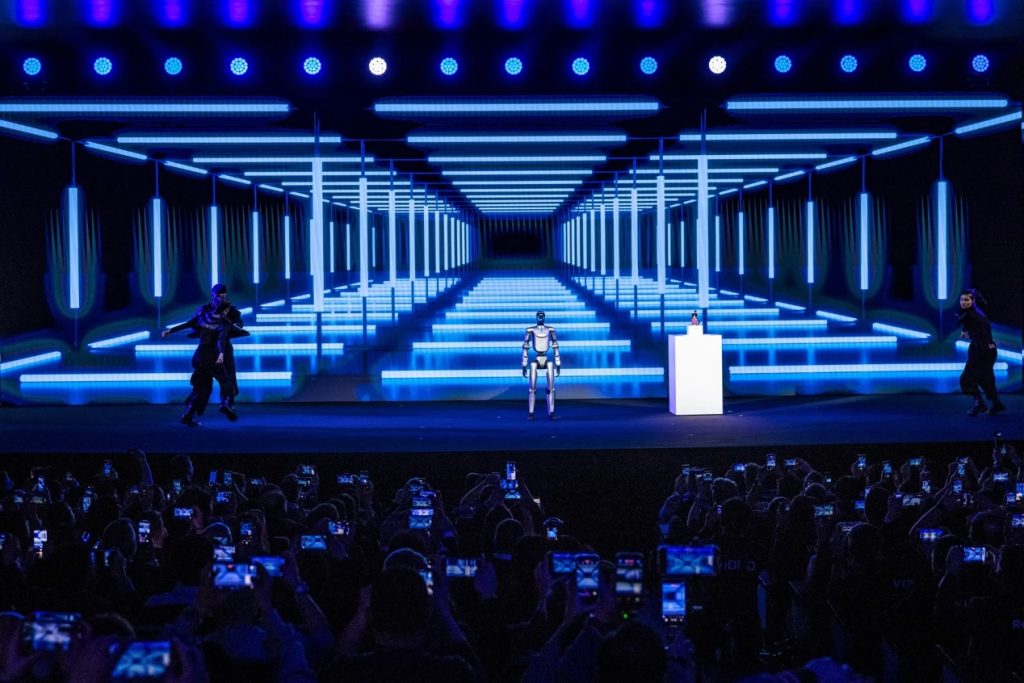
The humanoid robot, by Honor Device Co., on stage during its presentation in Barcelona.Photographer: Angel Garcia/Bloomberg
Executives flying to Barcelona from Asia were held up in transit due to flight disruptions caused by the conflict in Iran, and the European Union’s digital chief Henna Virkkunen pulled out of a keynote speech.
Memory Crunch
The AI-driven shortage of memory chips is set to shrink smartphone sales by a record 13% this year.
“This is going to be a big talking point at MWC, it doesn’t just affect phones, but laptops, smartwatches and any consumer electronic devices,” said Ben Wood, analyst at CCS Insight.
Read More: Rampant AI Demand for Memory Is Fueling a Growing Chip Crisis
Insatiable demand for memory from AI data center operators like Alphabet Inc.’s Google, Meta Platforms Inc. and Microsoft Corp. has stymied device makers, elevated component prices and starved the entry-level segments of device categories. In the lead-up to MWC, chipmaker Qualcomm Inc.’s Chief Executive Officer Cristiano Amon pinned the blame for a shrinking phone market on memory supply constraints.
Wood said the supply choke would drive up phone prices, as handset makers move toward expensive, premium devices to offset rising costs.
Network Partnerships
As the conference kicked off, telecommunications companies announced alliances with some of the biggest winners of the AI boom.
Nvidia Corp., which makes the leading chips to train and run AI models, announced an effort to build out AI-ready 6G mobile networks, in partnership with Nokia Oyj, SoftBank Corp. and others. Qualcomm announced a similar effort with Swedish network equipment maker Ericsson AB, Google and Meta.
Read More: Nvidia Forms Alliance to Make Sure 6G Networks Embrace AI

Justin Hotard in Barcelona, on March 1.Photographer: Angel Garcia/Bloomberg
“Nvidia’s approach is to use best-of-breed technologies partners,” said Nokia Chief Executive Officer Justin Hotard in an interview. “And at Nokia, I’m challenging us to do the same.”
Nvidia invested $1 billion in Nokia last year, pledging to supply the Finnish network equipment maker with AI-powered computers for wireless networks. Hotard is banking on that move to turn Nokia’s fortunes around, after years of sluggish growth.
Asked about rival Huawei Technologies Co., a Nokia infrastructure rival that also designs chips like Nvidia, Hotard talked up the value of partnerships. “Very few vertically integrated players win over time,” he said.
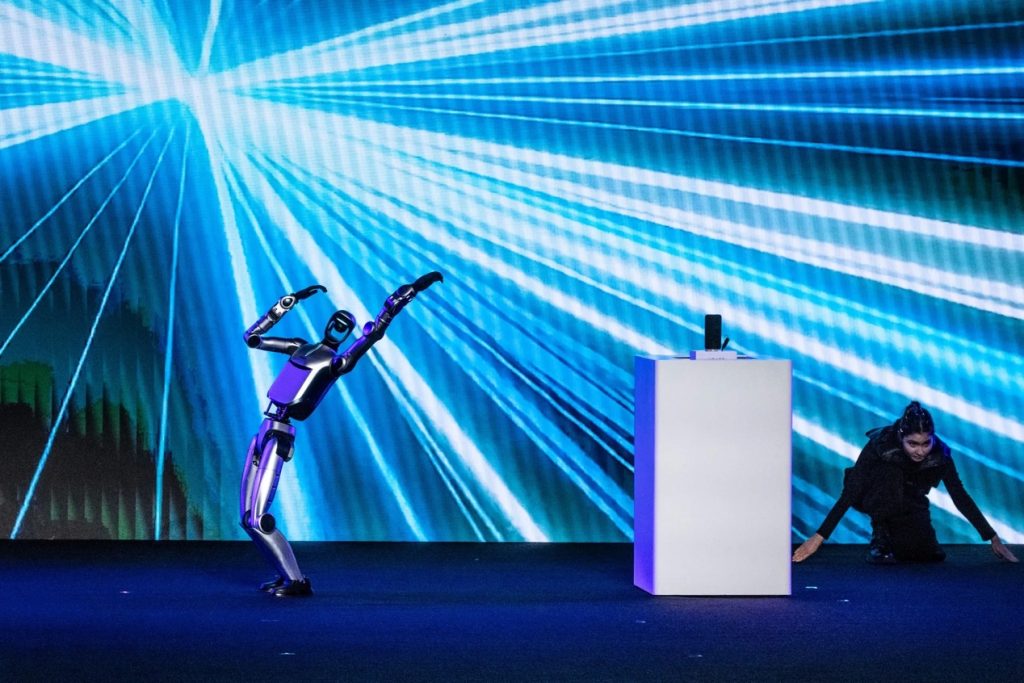
A humanoid robot by Honor dances with a human dancer during a presentation ahead of MWC Barcelona 2026 on March 1.Photographer: Angel Garcia/Bloomberg
AI and Folding Devices
On the show floor, brands such as Shenzhen-based Honor Device Co. and Lenovo Group Ltd.’s Motorola debuted new foldable phones, ahead of Apple Inc. unveiling the first foldable iPhone later this year.
Honor’s Magic V6 is a thin foldable powered by Qualcomm’s latest high-end chip and a powerful battery. It also touts compatibility with Apple devices. Its specifications are on par with the Motorola Razr Fold, which comes with a brighter screen.
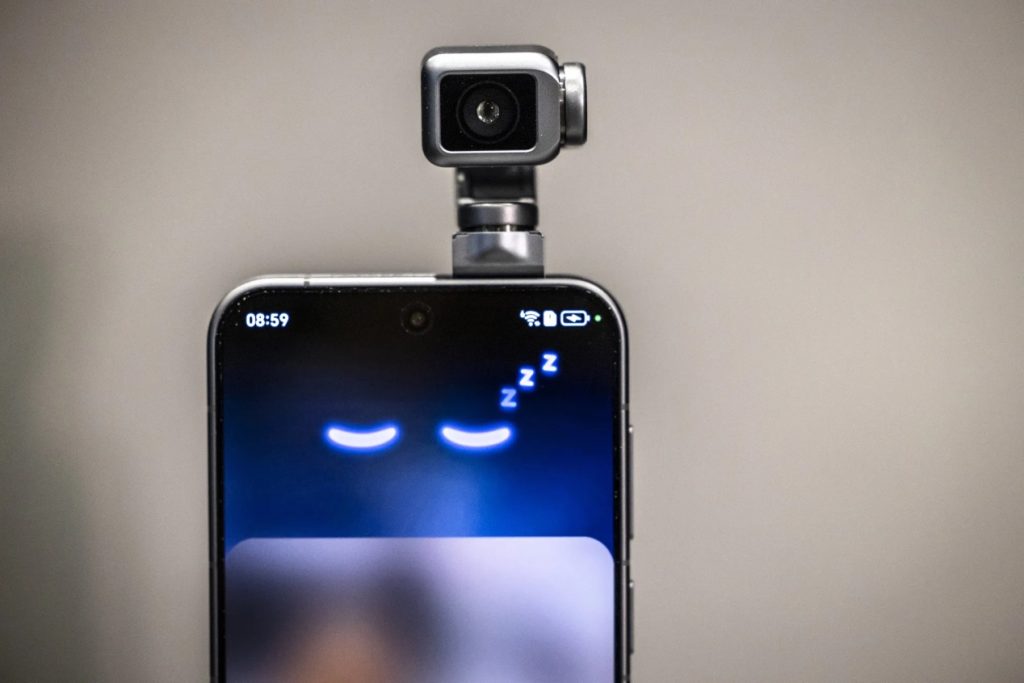
The Honor Robot PhonePhotographer: Angel Garcia/Bloomberg
Device makers also showed off AI-enhanced phones, though there’s little evidence as yet that the technology really drives sales.
Lenovo unveiled various AI concept devices, while Honor presented both a humanoid robot and the first demo of its so-called Robot Phone, which includes an articulating arm with a camera that emulates human-like gestures.
Read More: China’s Honor Shows Humanoid and Robot Phone Demo in AI Pivot
— With assistance from Mayumi Negishi
Source: https://www.bloomberg.com/news/articles/2026-03-02/mwc-barcelona-2026-preview-mobile-industry-reckons-with-ai-and-geopolitics