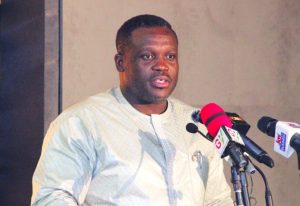


African countries have been urged to harmonise positions and strengthen cooperation ahead of the World Telecommunication Standardisation Assembly (WTSA) 2028.
A unified continental approach, it was noted, would enable Africa to play a more influential role in shaping global digital policies and standards, rather than remaining passive adopters.
Mr Samuel Nartey George, Minister of Communication, Digital Technology and Innovations, made the call at the opening of a two-day first African Preparatory Meeting for WTSA 28 in Accra.
Organised by the Africa Telecommunications Union (ATU) in collaboration with the International Telecommunication Union (ITU) and the Ministry, the meeting was on the theme “Strengthening Africa’s Common Purpose Position for WTSA 28.”
“We want to develop a united African proposal that reflects our continent’s needs while aligning with global standards,” Mr George said, stressing the need for Africans to “become rule makers, not just rule takers.”
He explained that digital technologies were transforming economies and societies at an unprecedented pace, making it imperative for Africa to actively participate in global standardisation processes.
“Standards are the invisible architecture of the digital world. They ensure interoperability, foster innovation, enhance security and enable inclusive access to digital services”” he said.
The Minister identified priority areas including bridging the digital divide through rural broadband expansion, strengthening cybersecurity frameworks, promoting affordable connectivity, and ensuring safe and inclusive development of emerging technologies such as artificial intelligence and the Internet of Things.
“This week’s meeting is our chance to align positions, strengthen regional cooperation and build consensus. Let us agree on concrete strategies that will guide our continent’s action and enable us to shape Africa’s digital future together,” he charged participants.
Mr George reaffirmed Ghana’s commitment to equitable digital access and regional collaboration through initiatives such as the West African Regional Communications Infrastructure Programme.
Mr John Omo, Secretary-General of ATU, described the gathering as a critical starting point for Africa’s preparations towards WTSA 28.
He expressed concern about persistent challenges, noting: “This shows that access alone has not resolved affordability, quality and trust issues.”
Mr Omo stressed that more than 800 million Africans were still not using mobile internet, urging stakeholders to prioritise affordability, meaningful connectivity, emergency communications, cybersecurity and artificial intelligence.
“The decisions we make here in Accra will ripple across our digital landscape for years to come,” he said.
Mr Seizo Onoe, Director of the Telecommunication Standardization Bureau of ITU, underscored the importance of developing standards that were impactful and widely adopted.
“ITU standards and capacity building must create firm foundations for the digital future we want,” he said.
Reverend Edmund Yirenkyi Fianko, Director-General of the National Communications Authority, highlighted Ghana’s investments in type approval and conformance laboratories, positioning the country as a regional hub for equipment certification and interoperability assurance.
Source: gna.org.gh