
Ghana’s telecommunications regulator is intensifying efforts to tighten industry standards, warning that weak enforcement could expose consumers to substandard devices while undermining service quality in the country’s rapidly expanding digital economy.
The National Communications Authority (NCA) says standardisation must move beyond compliance and become a central pillar for efficiency, innovation, and long-term sector growth.
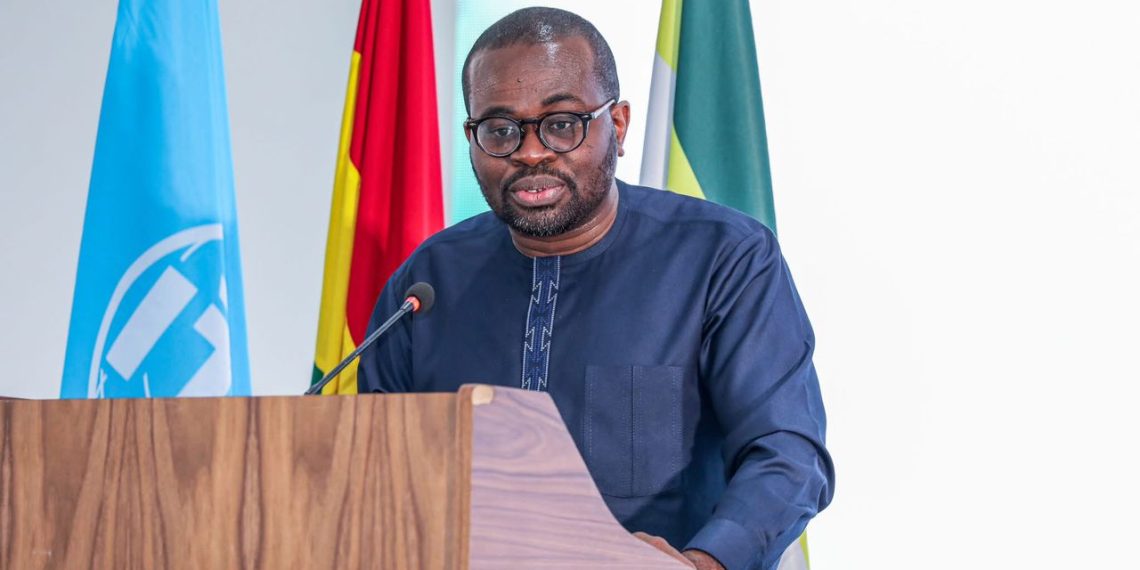
Director-General, Edmund Yirenkyi Fianko, maintains that as Ghana positions itself as a digital hub in West Africa, ensuring uniform technical standards across networks and devices will be key to sustaining investor confidence and improving user experience.
Speaking to Citi Business News on the sidelines of the 1st African Preparatory Meeting for the 2028 World Telecommunications Standardization Assembly in Ghana, he underscored the strategic importance of the gathering in shaping Africa’s voice in global telecom governance.
According to him, “we are hosting the first Africa preparatory meeting for the World Telecommunication Standardization Assembly, scheduled for 2028. These meetings allow regional groups to collate proposals from individual countries, harmonise them, and engage other regions to find common ground.”
He added that Ghana’s role as host reflects its growing influence in the digital policy space, noting that “for this cycle, Ghana is hosting the first regional meeting, bringing together representatives from across Africa and other regions.”
Mr. Fianko stressed that the impact of telecom standards extends directly to everyday users and businesses.
“Telecom standards are crucial because they enable economies of scale and ensure interoperability. For instance, your phone can roam across networks because of agreed standards,” he explained.
He further noted that standards also serve as a consumer protection tool, adding that “they also protect consumers from substandard devices and support large-scale production, which is why this conference is important.”
The outcomes of the meeting are expected to shape Africa’s negotiating position ahead of the 2028 global assembly, with implications for cross-border connectivity, digital trade, and the continent’s broader competitiveness.
Source : www.citinewsroom.com