
Telecel Ghana has launched a nationwide network upgrade program, starting in Madina, to improve speeds, coverage and service quality
- More than 100 high-traffic sites and 1,000+ network locations will be upgraded as data demand continues to rise
- The investment supports Telecel’s push to compete with market leader MTN, which still controls over 72% of Ghana’s mobile subscriber market
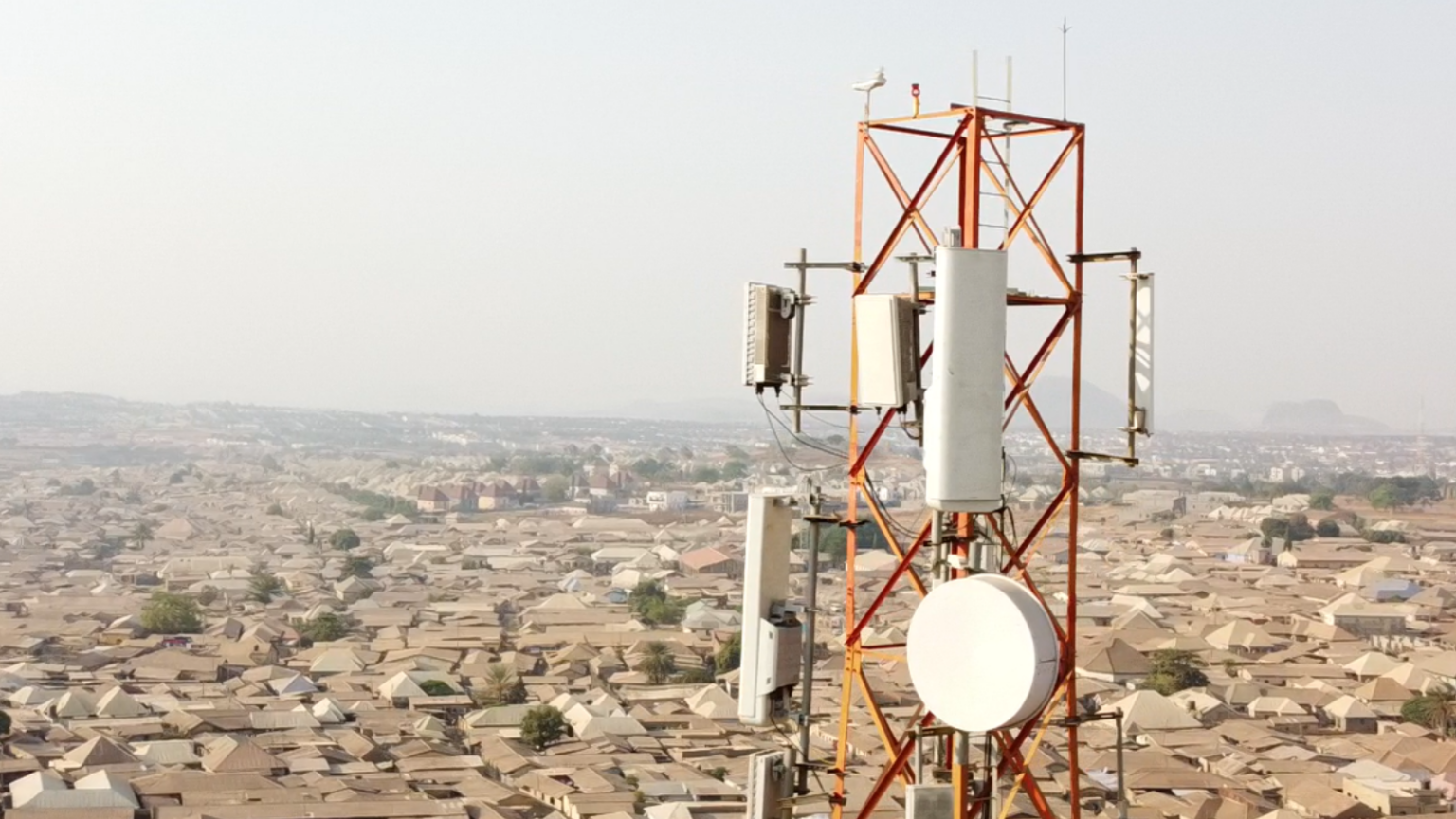
Telecel Ghana has launched an extensive network modernization program aimed at strengthening infrastructure capacity to meet growing demand for connectivity services.
The program began in Madina, according to local media. It follows a commitment made by the company’s Chief Executive Officer, Patricia Obo-Nai, who said in a media interview in March that major network upgrades would be rolled out during the second quarter.
“We are building extra capacity on this site to reduce congestion and increase internet speeds for thousands of customers in Madina. As data usage continues to grow, these investments ensure our customers enjoy faster speeds, better voice quality, and consistently stronger connections,” Ebenezer Siebu, Telecel Ghana’s chief technology officer, was quoted as saying by local media outlet Citi Newsroom.
He added that the operator plans to carry out similar upgrades at more than 100 high-traffic sites across the country this year. In addition, more than 1,000 sites will undergo various levels of improvement as part of the broader network modernization program.
Digital transformation and rising demand
The initiative forms part of Telecel Ghana’s efforts to strengthen its network following its acquisition of Vodafone Ghana’s operations in February 2023. It comes as digital adoption continues to accelerate, driving higher mobile data consumption and growing demand for high-speed connectivity.
To support this growth, the operator has stepped up investment in its network infrastructure. In November 2025, it launched a $70 million network modernization program in partnership with Huawei. In April 2023, it also signed an agreement with Lynk Global to expand mobile coverage through Direct-to-Device satellite technology. Between the beginning of 2023 and the end of 2025, the number of telecom sites increased from about 5,000 to nearly 9,000.
Looking ahead, Obo-Nai said network expansion would remain central to the company’s strategy. This focus reflects the evolving role of telecom operators, which are increasingly positioning themselves not only as communications providers but also as critical infrastructure operators supporting digital economic growth.
Telecel aims to meet the needs of a customer base that is becoming increasingly reliant on digital services. Consumers now use the internet for video streaming, social media, online learning platforms, digital public services and mobile payments. Businesses, meanwhile, require more robust networks to support e-commerce, cloud computing, remote work, collaboration tools and other digital solutions designed to improve productivity.
Strong competitive pressure
These investments come as Ghana’s telecom market remains heavily dominated by MTN. The former Vodafone Ghana has lost ground to the market leader in recent years. Its market share fell from 24.1% in June 2017 to 18.41% in February 2023, when it was acquired by Telecel Group, before recovering to 20.7% by the end of February 2025. Despite this improvement, MTN maintained a dominant position with 72.1% of the country’s mobile subscriber base.
The mobile internet segment is also largely controlled by MTN, which had approximately 25.8 million subscribers at the end of February 2025, representing an 81.29% market share. Telecel held 14.5% of the market, while AT accounted for 4.21%.
However, Telecel retains a dominant position in some of its traditional business segments. In fixed-line telephony, the operator held a 97.7% market share at the end of February 2025, compared with 2.3% for MTN. In fixed internet services, Telecel controlled 51.75% of the market, compared with 47.85% for MTN.
Soure : www.ecofinagency.com