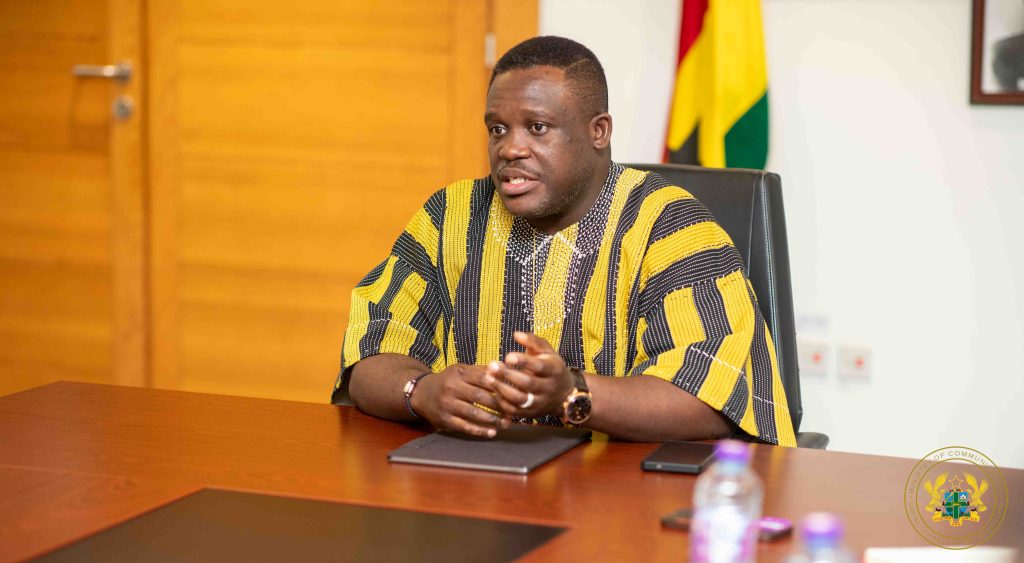
Ghana’s Communications Minister Samuel Nartey George has secured a commitment from Huawei Technologies to provide free artificial intelligence training for 3,000 girls enrolled in the government’s Girls in ICT Programme, following talks at the Mobile World Congress (MWC26) in Barcelona, Spain.
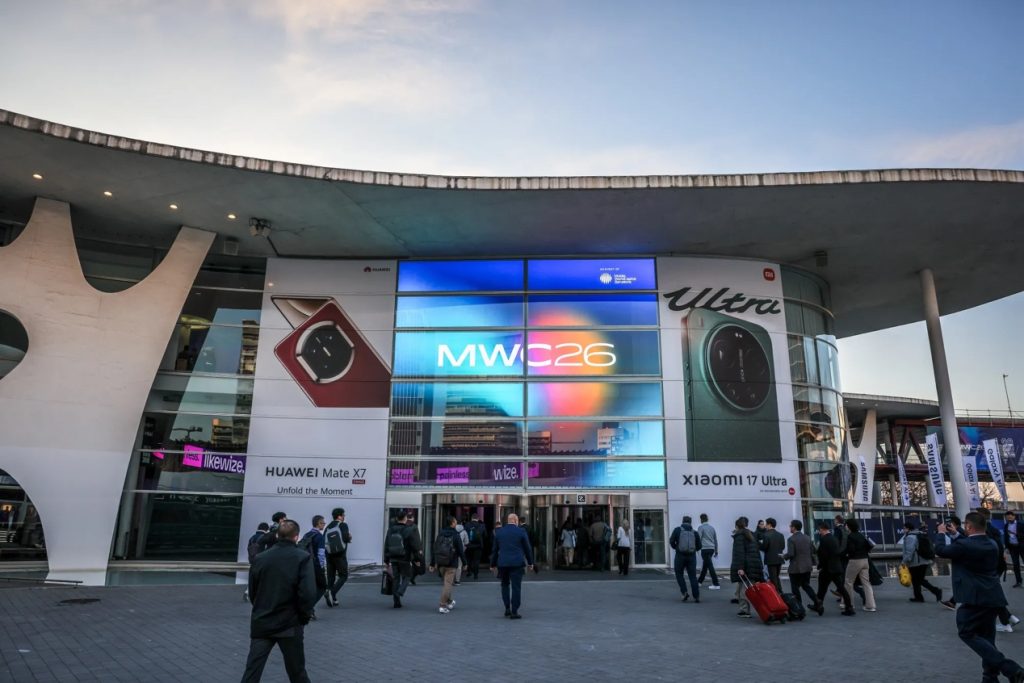
The minister met with Steven Yi, Senior Vice President of Huawei, on the sidelines of the annual MWC Barcelona 2026 congress, which opened on Monday, March 2, with Huawei among the prominent technology firms showcasing their latest products and AI solutions.
According to the minister, Huawei expressed strong interest in Ghana’s technology investment pipeline, including the planned $250 million AI Compute Centre, the rollout of 5G infrastructure, and rural telephony expansion. Nartey George said he made it clear to the company that access to those opportunities came with an expectation of social investment in return.
“With Huawei coming on board, we are going to have a crash programme in AI skills,” the minister said, explaining that girls who complete the training would then be channelled directly into the government’s One Million Coders Programme for further development. “This means we are catching them young.”
The minister said Huawei’s Senior Vice President had already directed the company’s Ghana office to work with the Ghana Investment Fund for Electronic Communications (GIFEC) and the ministry to roll out the AI training module for this year’s cohort of participants.
The Girls in ICT Programme has trained 17,981 girls and 1,792 teachers since its inception in 2012, with current modules covering basic computing, coding, animation, web development, and cybersecurity across a two-week residential format. The addition of an AI skills component marks the most significant expansion of the programme’s curriculum since its launch.
Huawei is already a key partner in Ghana’s One Million Coders Programme, where the company has committed to training 100,000 individuals over four years, covering the full cost through a blend of online learning, university-based sessions, and in-person training at Huawei’s headquarters in China.
Nartey George also disclosed that separate discussions were held with Huawei about the possibility of setting up a handheld device assembly plant in Ghana to produce affordable smartphones for the local and West African markets. He said Ghana’s political stability, gateway position, and investor-friendly environment made a strong case for hosting such a facility and that he had made clear to Huawei that quality and affordability would not be compromised.
The minister noted that despite Ghana having 4G coverage exceeding 90% of the population, actual 4G usage remains below 60%, largely because many Ghanaians cannot afford smartphones and continue to use feature phones incapable of accessing the network.
Huawei has announced that it has provided digital connectivity to 170 million people in remote areas across more than 80 countries, exceeding its pledge to the International Telecommunication Union (ITU) Partner2Connect (P2C) Digital Coalition. The company had committed in 2022 to connect 120 million people by 2025.
The announcement was made by Yang Chaobin, CEO of Huawei ICT BG, at the TECH Cares Forum in Barcelona, where he thanked Huawei’s telecom customers and partners for their collaborative efforts. The forum brought together around 80 guests from governments, industries, partner organizations, and international bodies to discuss advancing digital inclusion in the AI era.
“High-speed digital networks and robust computing capabilities are essential foundations for an inclusive and sustainable AI era.”
– Yang Chaobin, CEO, Huawei ICT BG
He highlighted that Huawei’s work brings improved access to healthcare, education, and financial services for remote communities.
Cosmas Zavazava, Director of the ITU Telecommunication Development Bureau, praised Huawei’s efforts, noting:
“Connecting the rural and underserved communities requires innovative business models, inclusivity and the effective use of communication resources as well as community engagement, and sustained investment in local capacity. I applaud Huawei’s commitment to universal and meaningful connectivity and I am proud of our strong and successful partnership.”
– Cosmas Zavazava, Director, ITU Telecommunication Development Bureau
To address the digital skills gap, Huawei has partnered with governments and organizations through initiatives such as Skills on Wheels, which has trained over 130,000 people in 21 countries since 2019, supporting youth, women, and underserved communities in digital literacy and STEM education.
Marina Madale, Executive of Sustainability and Shared Value at MTN Group, highlighted the importance of rural connectivity, device affordability, and AI-ready skills, calling connectivity “foundational infrastructure for Africa’s growth.”
Huawei has also advanced rural network innovation, continuously upgrading its Rural Series solutions since 2017. The recently launched RuralCow solution, supported by MTN Nigeria, extends coverage to villages of around 1,500 residents, contributing to the achievement of the 170 million connected individuals while supporting local economic development.
The TECH Cares Forum concluded with all participants emphasizing the need for continued collaboration among governments, operators, international organizations, and enterprises to advance digital inclusion. Huawei reaffirmed its commitment to driving innovation in rural networks, expanding open partnerships, and accelerating digital skills empowerment to foster a more equitable and sustainable digital world.
Ghana has recorded one of the most significant improvements in Africa in the 2025 editions of the Digital Nations and Society Index (DNSI) and the Digital Policy and Regulatory Index (DPRI), according to findings presented at the GSMA Ministerial Programme at the ongoing Mobile World Congress in Barcelona, Spain.
This achievement is specifically because Ghana abolished the “obnoxious” E-Levy and also recently granted technology neutrality to all telecom operators in the country.
The Digital Africa Index report was formally presented on March 2, 2026 by the Senior Director of Economics at GSMA Intelligence, Kalvin Bahia, who highlighted Ghana as the highest-improving country in Africa in 2025 across the composite index framework.
Ghana Among Africa’s Top Digital Performers In his presentation, Mr. Bahia underscored that Ghana recorded the strongest year-on-year improvement among African countries assessed in 2025, saying that Ghana is one of only five African countries to achieve a composite score above 50%, a threshold associated with more advanced and enabling digital ecosystems.
He noted that the country’s gains were driven by measurable improvements in both digital adoption (DNSI) and policy and regulatory effectiveness (DPRI).
The DNSI measures the real-world integration of digital technologies by consumers, businesses and governments, while the DPRI evaluates the quality, implementation and effectiveness of digital policy and regulatory frameworks.
Crossing the 50% composite mark places Ghana in a select group of African economies demonstrating relatively mature digital ecosystems and sustained reform momentum.
Policy Drivers Behind Ghana’s 2025 Improvement
The GSMA analysis highlighted two major reforms as central to Ghana’s accelerated progress – Technology Neutrality in Spectrum Licensing and the Repeal of Electronic Transfer Levy (E-Levy).
Technology Neutrality
Ghana’s recent transition to a technology-neutral licensing framework significantly improved regulatory flexibility and spectrum efficiency.
By allowing operators to refarm existing spectrum bands (900 MHz, 1800 MHz and 2100 MHz) for advanced mobile broadband services, and extending neutrality to all operators in 2025, Ghana improved network quality and 4G expansion, reduced regulatory distortions, enhanced competitive parity and strengthened investor confidence.
This reform directly improved Ghana’s DPRI score, particularly in regulatory design and market competitiveness metrics.
Repeal of the Electronic Transfer Levy
The abolition of the E-Levy in 2025 removed a cost barrier to digital financial transactions.
GSMA’s findings linked the repeal to increased mobile money usage, higher digital transaction volumes, reduced reliance on cash and improved consumer trust in digital payments.
The removal of the levy strengthened Ghana’s DNSI performance, particularly in digital financial inclusion and consumer adoption indicators.
A Data-Driven Digital Transformation Agenda
Speaking at the Ministerial Programme in Barcelona, Mr. Bahia emphasized that Africa’s digital development depends not only on infrastructure rollout but also on enabling policy frameworks that unlock adoption and innovation.
A statement from the Ministry of Communication, Digital Technology and Innovation said Ghana’s 2025 performance demonstrates the measurable impact of regulatory reform, importance of affordability in driving adoption, value of evidence-based policymaking and effectiveness of aligning spectrum policy with market realities.
Positioning Ghana as a Regional Digital Leader
By achieving the highest improvement on the continent and joining the group of African countries scoring above 50% on the composite index, Ghana has reinforced its standing as one of West Africa’s leading digital reformers, the statement said.
The Government’s continued focus on regulatory modernization, infrastructure flexibility, and inclusive digital finance is expected to further consolidate gains in future editions of the GSMA indices, it added.
Ghana’s wholesale 4G and 5G operator, Next Gen Infraco (NGIC), has commenced full commercial operations, marking a significant milestone in the country’s digital development agenda.
Next Gen InfraCo (NGIC) has received formal confirmation from the National Communications Authority (NCA) that it has satisfied the requirements to commence commercial wholesale 4G/5G operations under its licence. Following inspections and technical validation processes, the Authority confirmed that NGIC is cleared to proceed in accordance with its Wholesale Electronic Communications Infrastructure Licence. With that confirmation, Ghana’s shared 4G/5G platform is now live in selected locations in Accra, Kumasi, Tamale and other key areas, with nationwide expansion progressing in phases.
A structural shift in Ghana’s 5G framework
Ghana adopted a wholesale-first infrastructure model designed to coordinate national deployment while maintaining competition at the retail level.
Under this framework:
• NGIC builds and operates the shared 4G/5G radio and core network infrastructure.
• Licensed Mobile Network Operators connect to the platform and provide retail services directly to consumers and businesses.
Tenu Awoonor, Chief Executive Officer of NGIC, said: “Today, Ghana moves from 5G ambition to 5G execution. The shared backbone is commercially active and positioned to scale.
“This structure allows infrastructure investment to be coordinated nationally while preserving innovation and competition at the retail layer.”
Speaking on the operational transition, Nenyi George Andah, Chief Operating Officer of NGIC, noted that the focus now shifts to disciplined expansion. “The backbone is active. The framework is clear. The responsibility now is execution – scaling coverage in a coordinated and sustainable manner.
“Separating wholesale infrastructure from retail service delivery is a strategic decision. It enables faster national reach and more efficient capital deployment.”
The NCA’s confirmation signals regulatory alignment and operational readiness. With services now live in selected parts of Accra, Kumasi and Tamale, NGIC’s next phase will focus on expanding nationwide in line with licence obligations and national policy objectives.
Mustapha Salah, Head of Central West and East Africa, Mobile Networks at Nokia, said: “Nokia is proud to partner with NGIC in Ghana as a technology partner to introduce the country’s first neutral-host (shared) 4G/5G network.
“This wholesale network model, provided by NGIC, enables all mobile operators in Ghana with a smart and prudent approach to bring high-speed data to consumers, while bringing in new service models to the enterprise segment. With a future-ready architecture underpinned by advanced security, the new shared mobile broadband network will drive socio-economic growth and bridge the digital divide in the coming years in Ghana.”
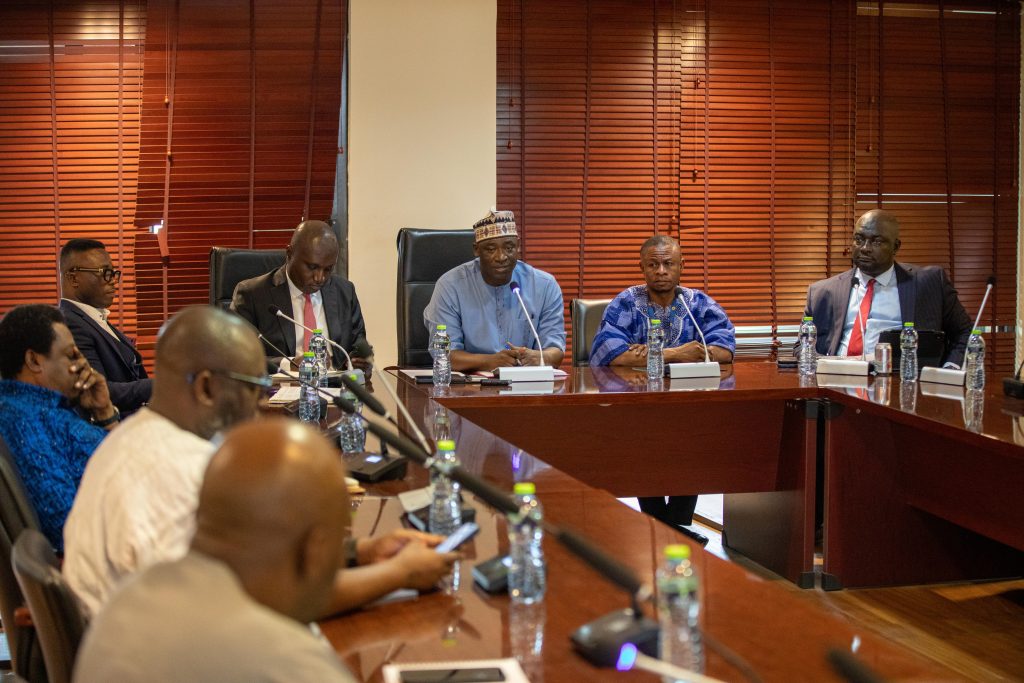
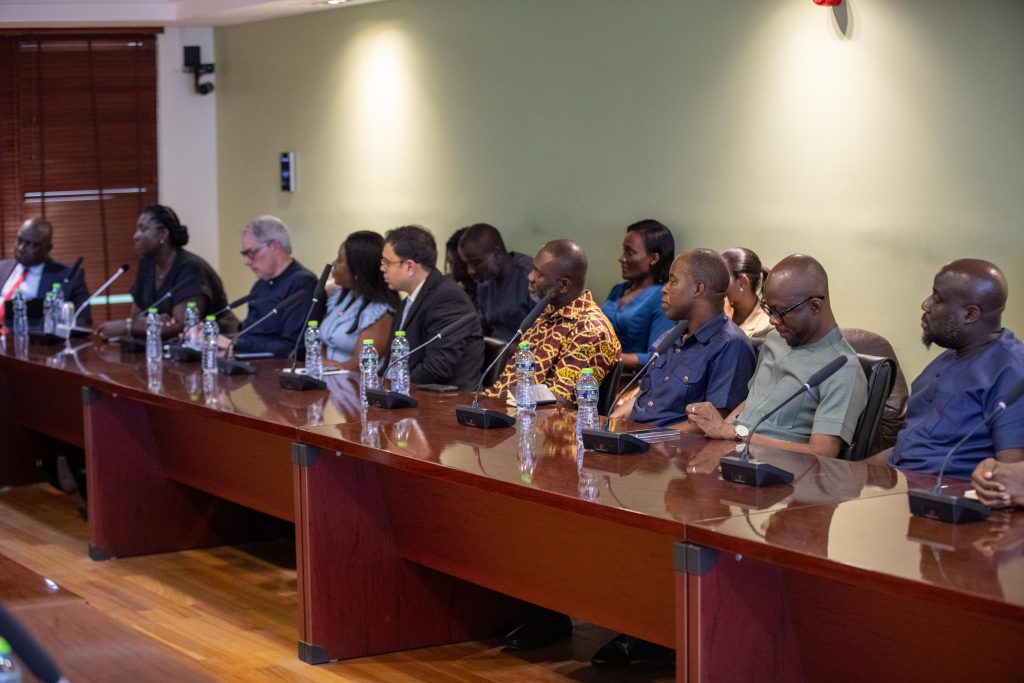
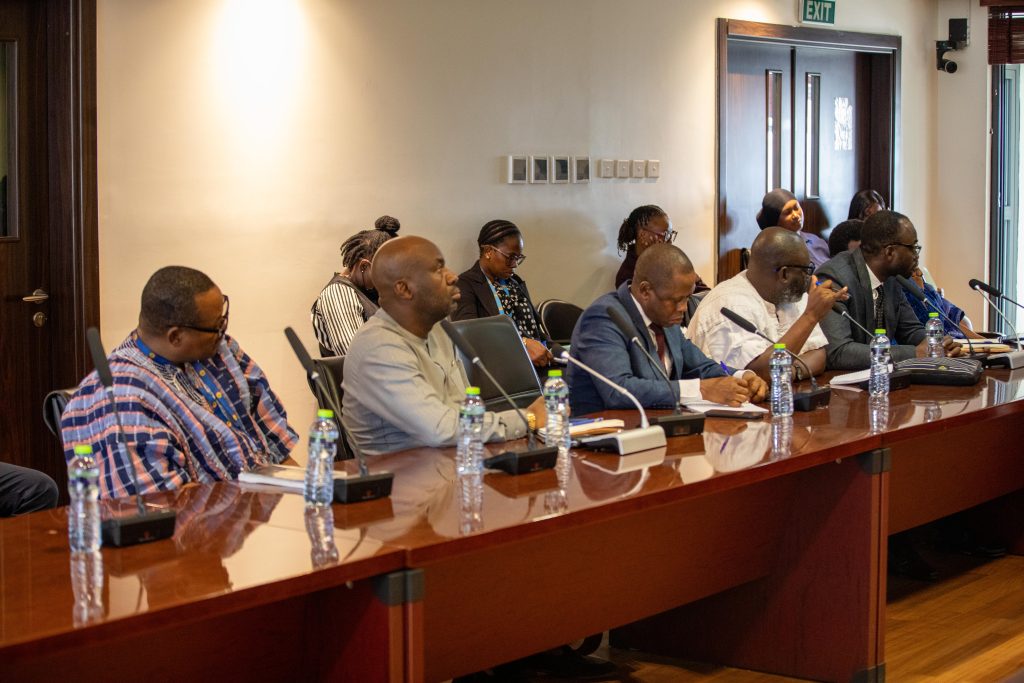
The Parliamentary Select Committee on Information and Communications has held a constructive engagement with the Ghana Chamber of Telecommunications and its leadership, reaffirming a shared commitment to strengthening Ghana’s digital ecosystem.
The meeting, which brought together Members of Parliament on the Committee and Chief executives and senior executives from key industry players, including ATC Ghana, C-Squared, Helios Towers Ghana, Huawei Technologies Ghana, Ericsson Ghana, Vobiss Ghana, MTN Ghana and Telecel Ghana, focused on improving quality of service, expanding connectivity, addressing fibre optic cable cuts, and ensuring affordable access to digital services across the country.
Collaboration for Improved Quality of Service
Chairman of the Committee Hon. Bandim Lamangin Abed-Nego, along with the Deputy Ranking member Hon. Owiredu Asuako Charles, welcomed the Chamber and underscored Parliament’s interest in long-term sustainability, affordability and inclusivity within Ghana’s digital economy.
Members of the Committee raised concerns about network quality in some areas, rising data costs, and connectivity challenges in rural communities. They also sought updates on measures being taken to address fibre optic cable cuts, which continue to disrupt service delivery.
Responding, representatives of the Chamber (led by its CEO Sylvia Owusu-Ankomah) acknowledged the concerns and reaffirmed the industry’s commitment to improving service quality. They highlighted ongoing investments in network expansion, including significant increases in the number of new sites being deployed to address congestion and peri-urban growth.
Industry leaders noted that fibre cuts remain a major challenge, with operators experiencing multiple incidents (about 20) daily, leading to service interruptions and high repair costs. They appealed for stronger collaboration with government and road agencies to ensure dedicated fibre ducts are incorporated into new road projects to protect critical infrastructure.
The Committee assured the Chamber of its readiness to work with relevant ministries and agencies to help address the issue sustainably.
Focus on Rural Telephony and Affordability
The engagement also touched on rural telephony and data pricing. Committee members expressed concern about the cost of data bundles and disparities between urban and rural connectivity.
The Chamber explained that rural telephony pricing is regulated and that operators pass through approved rates without mark-ups. They further noted that several external cost drivers, including import duties, regulatory fees and infrastructure investments, contribute to overall pricing structures.
Both sides agreed on the need for a deeper, data-driven discussion on affordability, with the Chamber indicating its readiness to share detailed industry data with the Committee to support informed policymaking.
Legislative Engagement and Policy Input
The Committee highlighted upcoming legislative reviews within the ICT sector and encouraged the Chamber to actively participate in consultations and public engagements once bills are formally laid before Parliament.
The Chamber welcomed the opportunity and pledged to submit inputs and technical expertise to support the legislative process. It also reaffirmed its openness to structured, regular engagements with the Committee to ensure ongoing collaboration.
Next Steps and Agreed Actions
At the close of the meeting, both parties agreed on the following next steps:
A follow-up, more extensive working session will be scheduled to allow for a deeper technical engagement.
The Committee will engage relevant ministries and agencies on the protection of fibre infrastructure, particularly along major road corridors.
Industry players will continue expanding network coverage, including accelerated site deployments to improve service quality.
The meeting ended on a positive note, with both Parliament and industry stakeholders reaffirming their shared responsibility to ensure that Ghana’s digital transformation is inclusive, affordable and sustainable.
The engagement marks a renewed phase of cooperation between policymakers and the telecommunications industry, aimed at delivering improved connectivity and digital opportunities for all Ghanaians.
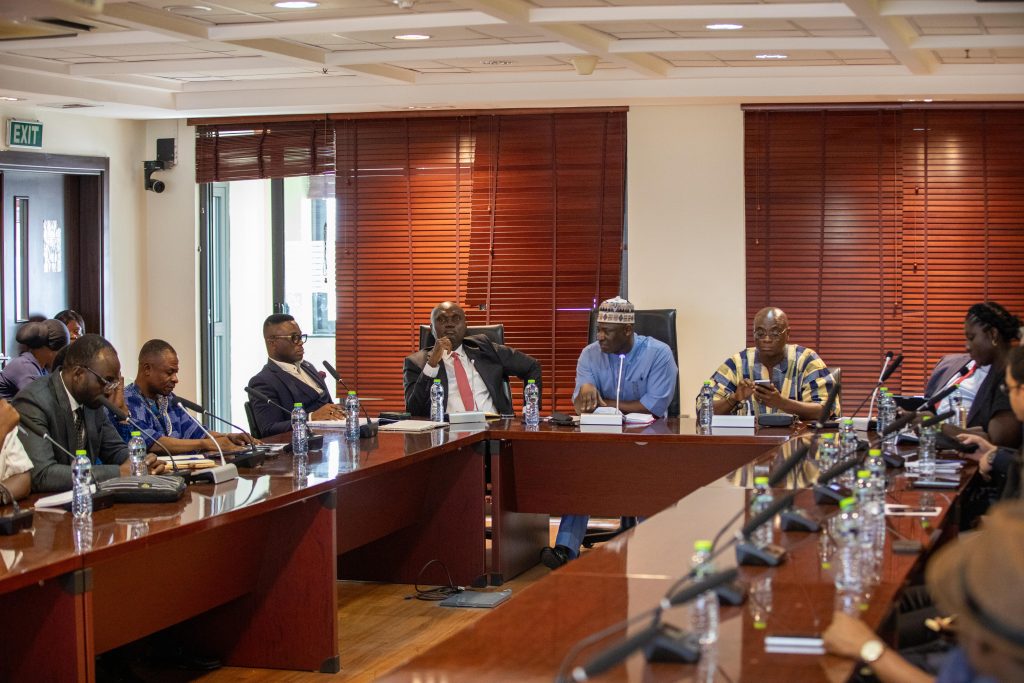
The Minister for Communication, Digital Technology and Innovations, Samuel Nartey George, has held high-level talks with the leadership of the Ghana Chamber of Telecommunications, Chief Executives of MTN Ghana (Stephen Blewett) and Telecel Ghana (Ing. Patricia Obo-Nai), as well as leadership of the National Communications Authority (NCA), to deliberate on the announced new national SIM registration exercise and the roadmap for 5G deployment in Ghana.
The meeting, also attended by the CEO of the Ghana Chamber of Telecommunications, Sylvia Owusu-Ankomah, NCA Director-General Rev. Ing. Edmund Yirenkyi Fianko and senior Ministry and NCA officials, focused on Cabinet-approved reforms aimed at strengthening national security, improving quality of service, and accelerating Ghana’s digital transformation
Fresh SIM registration exercise approved
Addressing participants of the meeting, the Minister disclosed that Cabinet has approved the completely new SIM registration exercise following what he described as an extensive review of the previous process.
According to him, the earlier exercise suffered significant challenges, including weak biometric enforcement, data inconsistencies, and registration fraud among others. He stressed that the new approach would not be a continuation of the old system but a reset designed to ensure credibility and security
Under the new framework:
The NCA will serve as the central repository of SIM registration data.
Biometric verification will be mandatory.
A Central Equipment Identity Register (CEIR) will be introduced to enable cross-network blocking of stolen or fraud-linked devices.
A revised Legislative Instrument (L.I.) is being prepared to regulate back the exercise
Industry leaders, while supporting the objective of strengthening the system, raised some operational concerns.
5G policy reset and spectrum auction
On 5G, the Minister revealed that Cabinet has approved the removal of the exclusivity clause under the previous wholesale 5G framework, paving the way for a new competitive spectrum auction process
He clarified that the wholesale model has not been cancelled but that the new framework will allow network-based rollout, with the objective of ensuring universal deployment across operators.
Among the key highlights:
A new 5G spectrum auction is expected to be concluded soon.
The rollout is expected to be coordinated to prevent market distortion.
Industry leaders underscored the capital-intensive nature of 5G, noting that deployment will require significant spectrum acquisition costs, network upgrades and infrastructure expansion. They called for reasonable pricing, predictable policy direction and streamlined regulatory approvals to enable rapid deployment.
Collaborative path forward
The meeting concluded with agreement on structured technical engagements between the Ministry, NCA, Telecoms Chamber and operators to refine implementation modalities for both the SIM registration exercise and the 5G auction framework.
Immediate next steps include finalising the revised L.I., and publishing auction documentation.
The engagement signals what participants described as a renewed collaborative approach between government and industry as Ghana prepares for a new phase of digital regulation and next-generation connectivity.
MTN Ghana has delivered a blockbuster year, not only in profit growth and subscriber expansion, but also in its contribution to the national fiscus, paying a striking $984 million (GHS10.5 billion) in direct and indirect taxes in 2025.
The telecoms giant also paid $121.9 million (GHS1.3 billion) in fees and levies to government agencies during the year, reinforcing its role as a responsible corporate citizen at a time when Ghana’s macroeconomic recovery is gaining traction.
These substantial financial contributions support national development and highlight the telco’s commitment to the country’s socioeconomic growth, complementing its wide range of community-focused initiatives throughout the year.
The massive fiscus financial contribution comes against a backdrop of stellar operational performance that cements Ghana’s status as one of the group’s most strategic markets.
Profit after tax surged 55.9% to $731 million (GHS7.8 billion), while service revenue climbed 36.2% year on year to $2.29 billion (GHS24.4 billion). Ebitda rose 43.5% to $1.38 billion (GHS14.7 billion), with margins widening to 60.1%, reflecting improved efficiency and disciplined cost management.
CEO Stephen Blewett attributed the results to consistent investment and customer-centric execution.
“Our strategy is centred on investing for growth, expanding network coverage and enhancing service quality while supporting Ghana’s and financial inclusion agenda. The strong results reflect resilient demand for data and mobile financial services, supported by improving macroeconomic conditions,” he said.
Data revenue surged nearly 49%, while Mobile Money (MoMo) income jumped 35.7% to $562.5 million (GHS6 billion). Digital revenue more than doubled, underscoring MTN Ghana’s pivot toward fintech and digital ecosystems.
The company invested $599.7 million (GHS6.4 billion) in capital expenditure, largely directed at 4G expansion and network upgrades, while mobile subscribers rose 9.2% to 31.2 million. Active data users grew 13.7% to 19.9 million, and active MoMo users climbed 12.3% to 19.3 million.
Beyond the numbers, MTN Ghana intensified its community-focused initiatives in 2025, supporting digital literacy programmes, youth entrepreneurship, health campaigns, and rural connectivity projects aimed at bridging the digital divide.
These efforts complemented its substantial fiscal contribution of $984 million (GHS10.5 billion), directly supporting national development priorities.
At group level, MTN CEO Ralph Mupita announced a landmark milestone that Ghana is now the group’s third major market.
“Up until the end of last year, we’ve had two major subsidiaries within the context of the MTN Group, South Africa and Nigeria. This year we are adding Ghana as the third major subsidiary for the whole group, purely as a function of the way it has performed and the potential that we see going forward. It is a significant achievement,” Mupita said.
Telecom companies are trying to show that new partnerships and artificial intelligence-driven innovation can overcome supply chains strained by surging demand and geopolitics.
The AI-driven shortage of memory chips is set to shrink smartphone sales, with insatiable demand for memory from AI data center operators stymying device makers and elevating component prices.
Telecommunications companies announced alliances with big winners of the AI boom, such as Nvidia Corp., to build out AI-ready 6G mobile networks and integrate AI into their networks.
At the mobile industry’s biggest annual gathering this week, telecom companies are trying to show that new partnerships and artificial intelligence-driven innovation can overcome supply chains strained by surging demand and geopolitics.
In early announcements from MWC Barcelona 2026 so far, telecom companies and phone makers are adding AI capabilities to help overcome the threat. Network providers are pairing up with major tech companies to integrate AI into their networks while phone makers are adding AI functions to devices.
That’s in the shadow of a crippling memory shortage, rising prices for key materials such as copper, aluminum and gold, and the fallout from the conflict in the Middle East.
The humanoid robot, by Honor Device Co., on stage during its presentation in Barcelona.Photographer: Angel Garcia/Bloomberg
Executives flying to Barcelona from Asia were held up in transit due to flight disruptions caused by the conflict in Iran, and the European Union’s digital chief Henna Virkkunen pulled out of a keynote speech.
Memory Crunch
The AI-driven shortage of memory chips is set to shrink smartphone sales by a record 13% this year.
“This is going to be a big talking point at MWC, it doesn’t just affect phones, but laptops, smartwatches and any consumer electronic devices,” said Ben Wood, analyst at CCS Insight.
Insatiable demand for memory from AI data center operators like Alphabet Inc.’s Google, Meta Platforms Inc. and Microsoft Corp. has stymied device makers, elevated component prices and starved the entry-level segments of device categories. In the lead-up to MWC, chipmaker Qualcomm Inc.’s Chief Executive Officer Cristiano Amon pinned the blame for a shrinking phone market on memory supply constraints.
Wood said the supply choke would drive up phone prices, as handset makers move toward expensive, premium devices to offset rising costs.
Network Partnerships
As the conference kicked off, telecommunications companies announced alliances with some of the biggest winners of the AI boom.
Nvidia Corp., which makes the leading chips to train and run AI models, announced an effort to build out AI-ready 6G mobile networks, in partnership with Nokia Oyj, SoftBank Corp. and others. Qualcomm announced a similar effort with Swedish network equipment maker Ericsson AB, Google and Meta.
Justin Hotard in Barcelona, on March 1.Photographer: Angel Garcia/Bloomberg
“Nvidia’s approach is to use best-of-breed technologies partners,” said Nokia Chief Executive Officer Justin Hotard in an interview. “And at Nokia, I’m challenging us to do the same.”
Nvidia invested $1 billion in Nokia last year, pledging to supply the Finnish network equipment maker with AI-powered computers for wireless networks. Hotard is banking on that move to turn Nokia’s fortunes around, after years of sluggish growth.
Asked about rival Huawei Technologies Co., a Nokia infrastructure rival that also designs chips like Nvidia, Hotard talked up the value of partnerships. “Very few vertically integrated players win over time,” he said.
A humanoid robot by Honor dances with a human dancer during a presentation ahead of MWC Barcelona 2026 on March 1.Photographer: Angel Garcia/Bloomberg
Honor’s Magic V6 is a thin foldable powered by Qualcomm’s latest high-end chip and a powerful battery. It also touts compatibility with Apple devices. Its specifications are on par with the Motorola Razr Fold, which comes with a brighter screen.
The Honor Robot PhonePhotographer: Angel Garcia/Bloomberg
Device makers also showed off AI-enhanced phones, though there’s little evidence as yet that the technology really drives sales.
Lenovo unveiled various AI concept devices, while Honor presented both a humanoid robot and the first demo of its so-called Robot Phone, which includes an articulating arm with a camera that emulates human-like gestures.
Huawei released a series of all-scenario U6 GHz products today at MWC Barcelona 2026 to help carriers unlock the full potential of 5G-A and set the stage for a seamless transition to 6G. The company also launched enhanced AI-Centric Network solutions that will help carriers prepare for the agentic era by enabling intelligent services, networks, and network elements (NEs). Huawei is also showcasing its SuperPoD cluster for the first time outside China, which they have created to offer “a new option for the intelligent world”.
The theme of Huawei’s booth for this year’s conference is “Advancing All Intelligence”, reflecting the company’s plans to build more AI-centric networks and computing backbones that will help carriers and industry customers seize opportunities from the AI era.
U6 GHz: Unlocking 5G-A potential for a smooth transition to 6G
According to Huawei, the next five years will provide a window of opportunity to unleash the full potential of 5G-A. They plan to work with global carriers on the large-scale 5G-A deployment, use high uplink to address surging consumer and industry demand for mobile AI applications, and use the U6 GHz band to unlock the full value of spectrum and pave the way for smooth evolution to 6G.
There are already 70 million 5G-A users globally, and 5G-A is increasingly being adopted by carriers at scale. In China, Huawei has helped carriers deliver contiguous 5G-A coverage across 270 cities and launch 5G-A packages that monetize experience in over 30 provinces.
The all-scenario U6 GHz products and solutions Huawei released today use innovative technologies to create a high-capacity, low-latency, optimal-experience backbone designed for mobile AI applications.
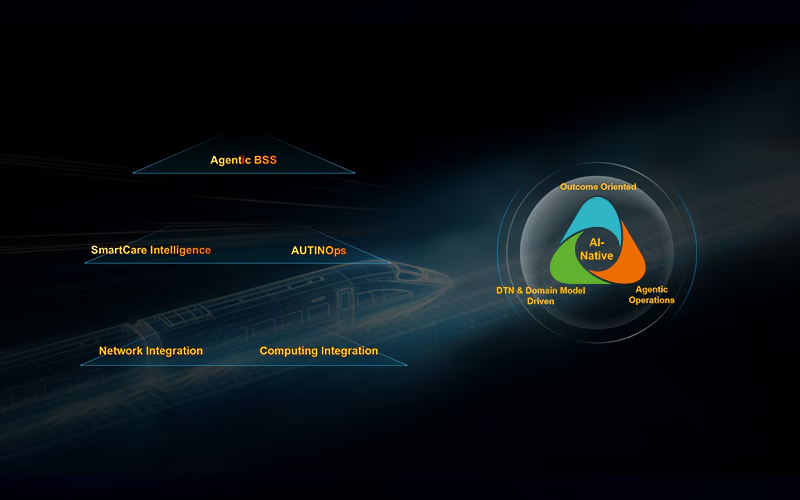
Three-layer intelligence with AI-Centric Network: Seizing opportunities in the agentic era
Following the trend to integrate AI directly into networks, Huawei is using AI to create AI-Centric Network solutions that will act as target networks for the agentic era. These solutions embed intelligence across three layers:
At the service layer, Huawei is helping carriers build multi-agent collaboration platforms, with specialized agents for calling, experience monetization, and home broadband. These platforms will enable AI-driven transformation of carriers’ core services like voice, internet access, and home broadband.
At the network layer, Phase 1 of Huawei’s L4 Autonomous Driving Network (AND L4) solution primarily focuses on single-scenario automation, helping carriers drastically improve O&M efficiency, network quality, and monetization capabilities. By the end of 2025, the company’s single-scenario ADN solutions have been commercially deployed on more than 130 telecom networks worldwide. Moving forward, Huawei will continue to help carriers reshape operations with AI, going beyond single-scenario automation to support end-to-end single-domain network autonomy.
At the NE layer, Huawei works with carriers to accelerate innovation in areas like algorithm optimization for RANs, intelligent and accurate service identification for WANs, and unified service intent for core networks that helps integrate B2C and B2H services. Innovations in these domains are already driving marked improvements in network energy and spectral efficiency, intelligent service awareness, and network resilience assurance.
Computing backbone with SuperPoDs and clusters: A new option for the intelligent world
In the computing space, Huawei is showcasing its computing cluster and SuperPoD products featuring new innovations in system-level architecture, including its UnifiedBus technology for SuperPoD interconnect, for the first time outside China. Key products on display will include the Atlas 950 SuperPoD for AI computing, the TaiShan 950 SuperPoD for general-purpose computing, the Atlas 850E SuperPoD, and the TaiShan 500 and TaiShan 200 servers. These offerings are Huawei’s answer to demand for stronger compute and lower latency – two elements that are especially critical as trillion-parameter AI models become more commonplace and agentic AI is introduced into core production systems.
These offerings also reflect Huawei’s ongoing commitment to going fully open source and open access. The company is actively working with partners to build an open computing ecosystem and provide the world with another option for solid computing power.
In the enterprise space, Huawei’s focus at MWC is on helping different industries accelerate their intelligent transformation. Together with customers, partners, and representatives from different industries, Huawei will unveil a series of innovative practices that are helping different industries go intelligent on all fronts. The company will also share its new offerings in digital and intelligent infrastructure, and give updates on its latest efforts in partner ecosystem development. In total, Huawei will feature 115 industrial intelligence showcases for enterprise customers in different domains; its SHAPE 2.0 Partner Framework; and 22 new industrial intelligence solutions jointly developed with partners.
In the consumer space, Huawei’s theme for this year’s MWC is “Now is Yours”. The company is working to deliver an unparalleled intelligent experience for consumers in all scenarios, and will showcase a range of new smartphones, wearables, tablets, PCs, and earphones that feature its latest breakthroughs in areas like foldable screens, health and fitness, mobile photography, productivity, and creativity. In 2026, Huawei will keep innovating to deliver competitive products with a superior experience, giving consumers greater freedom to discover and create in their own unique way.
Huawei also announced today that it had successfully surpassed the commitment it had made to help drive digital inclusion and combat the rapidly widening digital divide. By the end of 2025, Huawei had worked with customers to provide connectivity to 170 million people in remote areas across more than 80 countries, giving more people access to inclusive digital services.
MWC Barcelona 2026 will be held from March 2 to March 5 in Barcelona, Spain. During the event, Huawei will showcase its latest products and solutions at stand 1H50 in Fira Gran Via Hall 1.
The era of agentic networks is now approaching fast, and the commercial adoption of 5G-A at scale is gaining speed. Huawei is actively working with carriers and partners around the world to unleash the full potential of 5G-A and pave the way for the evolution to 6G. We are also creating AI-Centric Network solutions to enable intelligent services, networks, and network elements (NEs), speeding up the large-scale deployment of level-4 autonomous networks (AN L4), and using AI to upgrade our core business. Together with other industry players, we will create leading value-driven networks and AI computing backbones for a fully intelligent future.
The Electronic Commerce (e-commerce) has become a crucial part of global retail including Ghana. Section 15 (4a) of the Value Added Tax (VAT) Act, 2025 (Act 1151) defines “Electronic commerce” to include a business transaction including a digital service that takes place through electronic transmission of data over communication network such as internet. Although e-commerce businesses have existed in Ghana for long, it was during the covid 19 pandemic and post covid 19 pandemic that e-commerce activities became eminent with many people buying and selling online.
Statista, an international statistics platform projects that by 2027, the e-commerce sector would account for 23% of all retail sales worldwide, up from 21.2% in 2025. Furthermore, it is anticipated that global e-commerce sales will increase from US$6.42 trillion in 2025 to US$7.89 trillion in 2028. By 2029, the African e-commerce market is expected to grow to a value of $56.03 billion, according to the Statista estimates. In Ghana, there are now 825 registered e-commerce
businesses (consisting of 659 residents and 166 non-residents) as opposed to 204 (made up of 142 residents and 62 non-residents) in 2022. Additionally, VAT revenue from the e-commerce sector increased tremendously from GH₵ 209,434,800.14 (consisting of GH₵ 103,580,593.69 from residents and GHc 105,854,206.45 from non-residents) in 2022 to GH₵ 1,366,808,844.61 (i.e. GH₵ 871,324,420.29 accruing from residents & GH₵ 495,484,424.32 accruing from non-residents) in 2025. Cumulatively, Ghana Revenue Authority (GRA) earned GH₵ 3,213,522,482.70 (GH₵ 2,080,024,591.90 from residents and GH₵ 1,133,497,890.80 from non-residents) in VAT revenue from e-commerce/digital services from 2022-2025 averaging GH₵ 803,380,620.68 (GH₵ 520,006,147.98 from residents and 283,374,472.70 from non-residents) every year over this period.
A study by the Research Unit of GRA revealed that, about 20% of students, 45% of people in formal employment, 30% of self-employed and 5% of unemployed people engaged in e-commerce in Ghana. The research showed that Groceries and household items accounted for the highest percentage of revenue at 47.5%, followed by clothing and beauty products at 20% with the rest of the items (including home and garden products, sports products, pets and animal products, electronic products, building materials and agricultural products) accounting for 32.5%. Again, of the entities studied, 29.2% of them did not have integrated payment platforms. In contrast, 70.8%, accepted cash on delivery. Among the businesses using payment platform services, 71.4% of them used Mobile Money, while the remaining 28.6% used Trans flow and Visa Cards. Generally, online retail platforms in Ghana include Jumia Ghana, Melcom, Shopwice, Electromart, MyGhMarket, Goodpappa, ShopAfrica.com, Tonaton, Carmudi.com.gh, Lamudi, Jumia, Jiji, baahe.com, Tisu, Zoobashop, Kaymu, Ahonya, Ghanacar24.com, Cheki Ghana, Shopadollar, Hellofood, VIVIA, Dzifa.com and several others.
Despite the vital role e‑commerce plays in Ghana’s socio‑economic development, the GRA continues to encounter several obstacles in effectively taxing activities within the digital marketplace. Key challenges include operational limitations within existing online registration platforms, gaps in staff training on the taxation of e‑commerce and digital services, limited logistics, and the absence of a robust system for revenue assurance in the digital space. Nevertheless, these challenges have not prevented the GRA from making notable progress in revenue mobilisation, strengthening administrative processes, and advancing the development of appropriate legal frameworks to support the taxation of e‑commerce.
GRA has embarked on vigorous programmes in the short and medium terms to get its fair share of the huge revenue potential of this industry covering the following areas: (1) streaming and digital entertainment such as Netflix, Spotify, online gaming, (2) E-learning platforms including online courses and virtual tutoring, (3) Business Software and SaaS (e.g. Cloud tools like Microsoft 365, Adobe subscriptions), (4) Cross-Border Retail, (5) Gig Economy Payments, (6) Digital Advertising including Facebook Ads, Google Ads., TikTok Ads, (7) Online Travel Bookings (e.g. Airbnb, Booking.com, Expedia etc.), (8) Virtual Goods and In-App Purchases, (9) Digital Marketplace Facilitators, (10) Cryptocurrency and Virtual Asset Transactions, (11) Ride-Hailing and Mobility Platforms, (12) E-Commerce Logistics and Fulfilment Services, and (13) Social Media Monetization and Influencer Payments.
Additionally, GRA has constituted a committee to (1) identify and onboard all non-resident digital service providers operating in Ghana’s tax jurisdiction by tracking digital platforms and service providers offering remote services to Ghanaian consumers, ensuring they are registered for VAT, and establishing monitoring mechanisms for sustained compliance, (2) enforce accurate VAT Compliance by developing and implementing strategies to ensure non-resident suppliers charge, collect, and remit VAT to GRA, and (3) recommend and assess gaps in current laws, administrative structures, and international cooperation frameworks related to digital taxation.
Besides, GRA has deployed technology such as an e-Commerce Compliance Tool — an advanced digital compliance system designed to: (1) discover and flag unregistered non-resident suppliers by monitoring payment transactions and customer purchase patterns, (2) integrate with banks, card schemes, and mobile money operators to trace cross-border digital payments, (3) ensure that all qualifying transactions attract the correct VAT, which is collected and remitted to GRA, and (4) provide GRA and policymakers with a real-time compliance dashboard showing registered verses unregistered suppliers and transaction volumes.
Furthermore, GRA has collaborated with both local and international stakeholders to ensure successful implementation of e-commerce in Ghana. These include Relevant Regulatory bodies (e.g. National Communication Authority-NCA), International Organizations (e.g. African Tax Administration Forum-ATAF, Organisation for Economic Co-operation and Development-OECD, Foreign Commonwealth and Development Office-FCDO), The Technology Partners (e.g. Huawei Technologies Ghana) Ltd), Banks & Payment Processors (e.g. Bank of Ghana), Telcos and Mobile Money Operators (e.g. MTN, Telecel), Local E-Commerce Platforms and Associations (e.g. Ghana Internet Service Providers Association-GISPA and E-commerce Association of Ghana), International Suppliers and consumers
To make significant in rolls into this complex industry and improve compliance, it is recommended that GRA adopts the following measures: (1) Develop a simplified, effective and efficient mechanism to identify, assess and collect taxes from e-commerce entities, (2) Institute a destination-based income tax and taxing owners of online portals and (3) Adopt best practices for monitoring and supervising e-commerce taxpayers. All in all, e-commerce has become one of the inevitable means of transacting businesses worldwide including Ghana and GRA must positioned itself to harness the tax revenue potential of the sector.